
- All Posts
- How Manufacturing is Reshaping Construction and What It Means for the Data Center Industry
How Manufacturing is Reshaping Construction and What It Means for the Data Center Industry
The construction industry is undergoing one of its most profound transformations in decades, a shift driven by the convergence of advanced manufacturing, integrated supply chains and digital design. Nowhere is this evolution more visible than in the delivery of high-tech infrastructure, especially data centers, where speed, scalability and precision have become non-negotiable.
In a landscape defined by labor shortages, volatile supply chains and an ever-accelerating demand for digital capacity, traditional construction models are straining under the weight of modern requirements. Enter industrialized construction: a model that borrows the rigor, repeatability and scalability of manufacturing to fundamentally change how we design and build.
From Jobsites to Production Lines
The push toward manufacturing-led construction is not simply about moving work off-site; it’s about reimagining the entire value chain. Instead of treating each project as a one-off, manufacturers and builders are developing standardized products and systems that can be produced at scale, shipped with tight logistical coordination and installed rapidly with minimal disruption.
Frameworks like the “levels of manufacturing” approach provide a clear roadmap. These range from basic pre-cut materials to fully volumetric modular assemblies that integrate multiple trades and systems in a single deliverable. For the data center sector, a market growing at a compound annual rate of nearly 11% and expected to surpass $300 billion by 2030, such levels of prefabrication are no longer fringe innovations. They’re essential strategies to meet the demand for faster deployment, higher densities and ever-tighter commissioning schedules.
The Manufacturing / Logistics Nexus
Yet prefabrication alone isn’t enough. One of the most underappreciated shifts reshaping construction is the rise of an integrated “fab-to-site” model, with logistics effectively becoming a strategic extension of the manufacturing process.
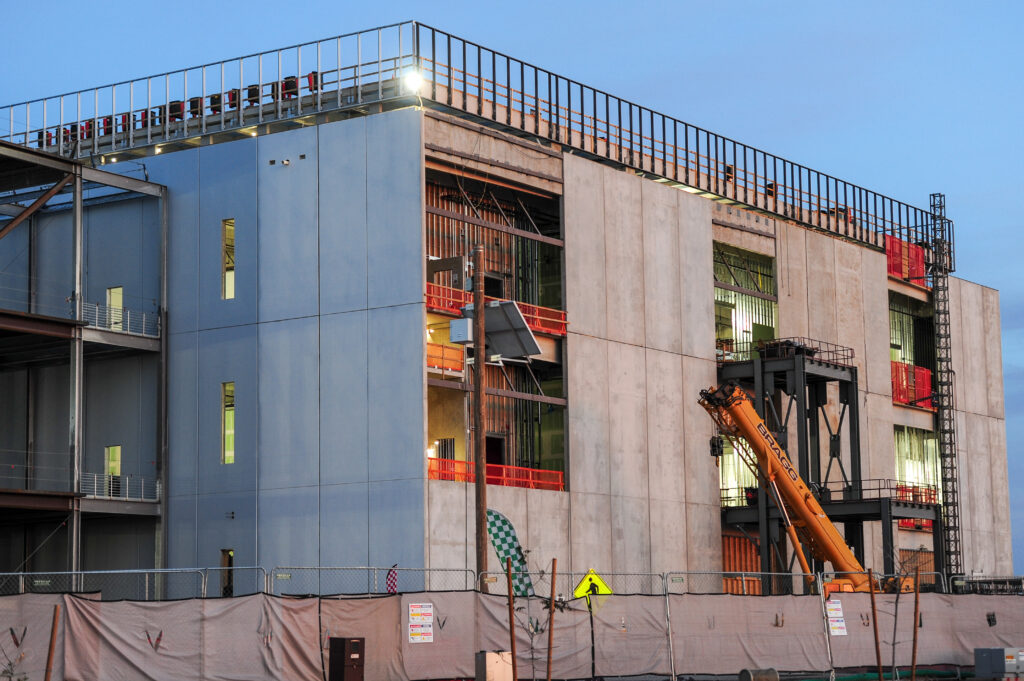
Consider a hyperscale data center designed to support 100kW racks, advanced liquid cooling pods and redundant power systems. Fabricating these complex systems in regional facilities is only half the equation. Without a logistics strategy woven into the design process, mapping delivery sequencing, crane lift timing, site access constraints and real-time digital tracking, the promise of offsite manufacturing can quickly unravel. Any misalignment can delay critical workflows and jeopardize commissioning windows that will ripple through to anticipated or planned go-live dates.
Developers attempting to stay proactive in their planning and on the cutting edge of best practices now plan fabrication and delivery as a single continuous workflow. By embedding logistics into early design and preconstruction phases, they ensure prefabricated systems arrive precisely when needed, thereby minimizing storage costs, site congestion and costly schedule disruptions.
The Power of Standardization and Scalability
This manufacturing-led model is also a lever for resilience and growth. In a sector like data centers, where new facilities are needed across diverse geographies, from urban campuses to remote edge sites, standardized modular systems offer unmatched flexibility.
Instead of reengineering solutions from scratch for every location, developers are investing in repeatable, scalable products: modular electrical rooms, integrated cooling skids, even entire pre-engineered data halls. These systems can be mass-produced in controlled environments to ensure consistent quality before being deployed wherever demand arises. This approach accelerates time to market while creating a more predictable cost structure, reduces labor risk and supports higher levels of sustainability through reduced waste and optimized material use.
A quantitative analysis in Quantifying Advantages of Modular Construction found that fully modular systems reduced waste by 83.2% in large structures. For data center operators under increasing scrutiny to meet environmental targets, this is a compelling argument.
Engineering the Future of Digital Infrastructure
Advanced manufacturing techniques are also unlocking new levels of integration and sophistication. In controlled factory environments, teams can embed power management systems, precision cooling and complex IT cabling into modules that arrive on-site fully tested and ready for connection. This reduces commissioning risks and supports the ultra-high reliability demanded by data center clients.
Additionally, by designing modular systems with future expansion in mind, operators can quickly scale capacity as digital workloads grow, an imperative in the age of Artificial Intelligence (AI), the Internet of Things (IoT) and data-hungry applications. Whether it’s stacking containerized modules for edge deployments or adding new power corridors to an existing campus, manufacturing-led construction gives data centers the agility they need to keep pace with technological change.
A Cultural and Technological Shift
Adopting a manufacturing mindset isn’t just an operational tweak; it represents a cultural transformation. It demands that architects, engineers, fabricators, logistics experts, and site teams break down traditional silos and work as an integrated ecosystem from the earliest project stages. Digital tools — from building information modeling to RFID-enabled supply chain platforms and digital twins — are essential enablers, providing the real-time visibility and coordination that complex manufactured delivery models require.
Shifting the landscape becomes a competitive imperative
As the data center market continues its rapid evolution, the builders who thrive will be those who can treat construction as a high-performance manufacturing process, combining precision engineering, scalable product strategies, and seamless logistics. This is more than a best practice; it’s fast becoming a competitive necessity.
In the end, while manufacturing is reshaping construction, it is also reshaping the very business models of how we deliver infrastructure. For industries under immense pressure to scale quickly and sustainably, from data centers to advanced industrial facilities, it represents not just a new way to build, but a smarter way to grow.
Explore Other News
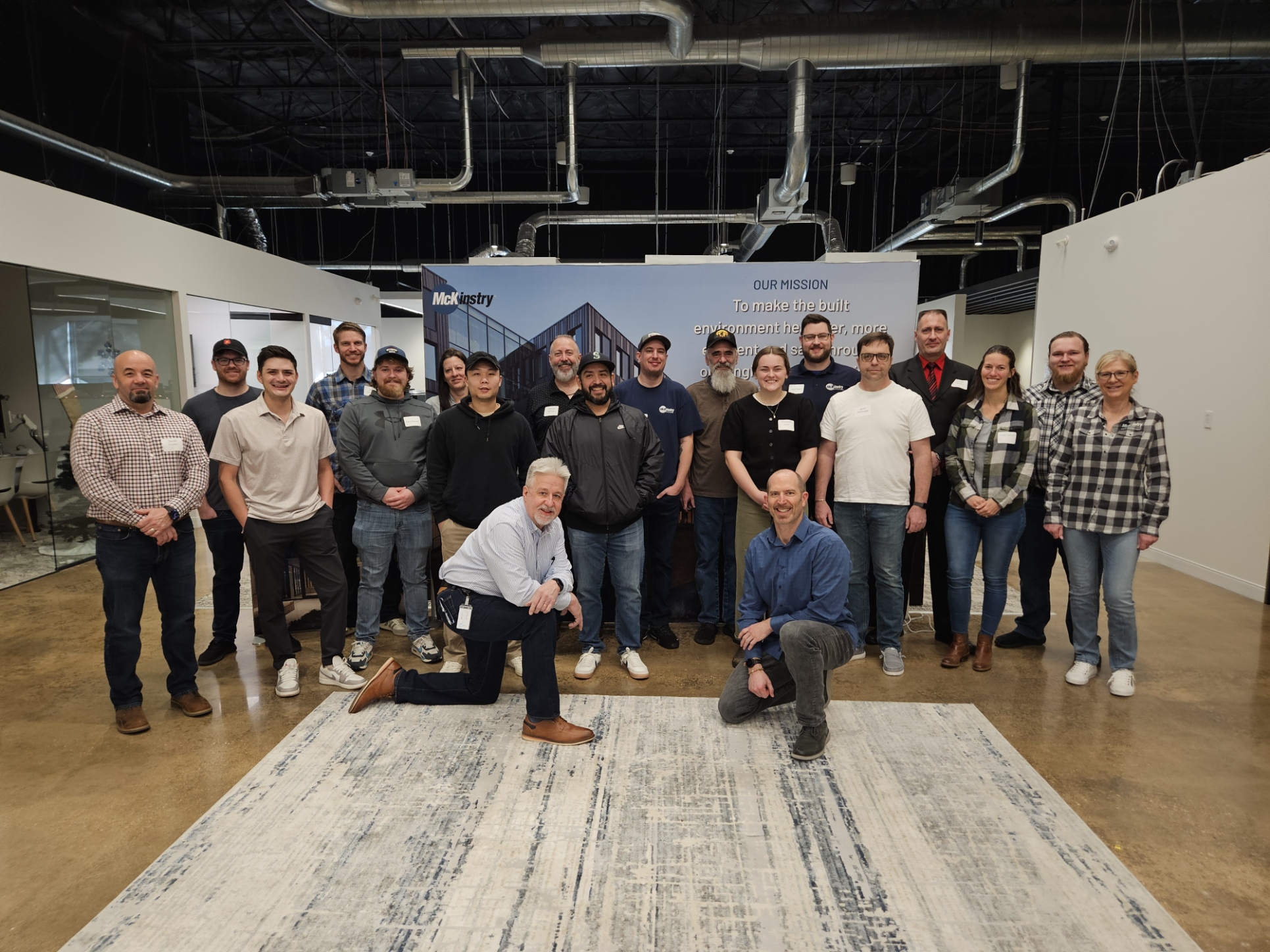
Fire Protection Team Reconnects with the Life-Saving Purp…
McKinstry’s Fire Protection Team Designs and Maintains Sprinkler Systems That Are Rarely Activated but Can Save Lives…
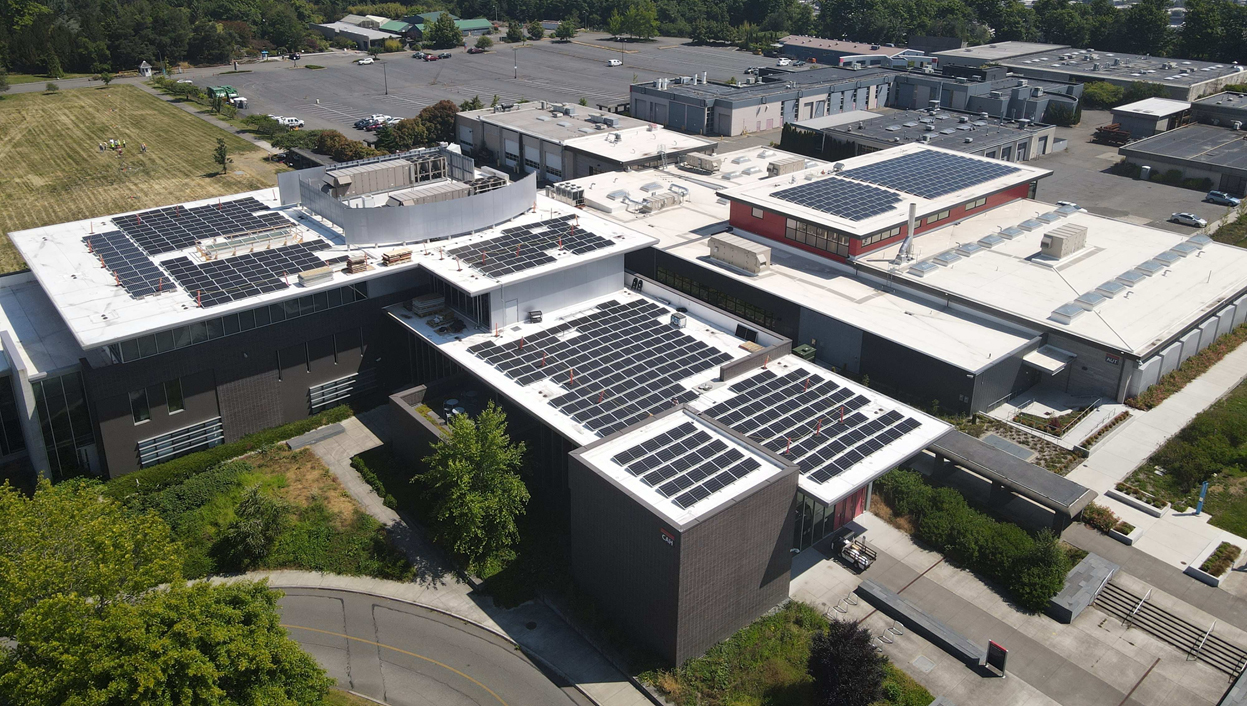
From Compliance to Competitive Advantage: How Owners Are …
Across the country, building owners are taking significant steps to prepare for the next generation of Building Perfo…
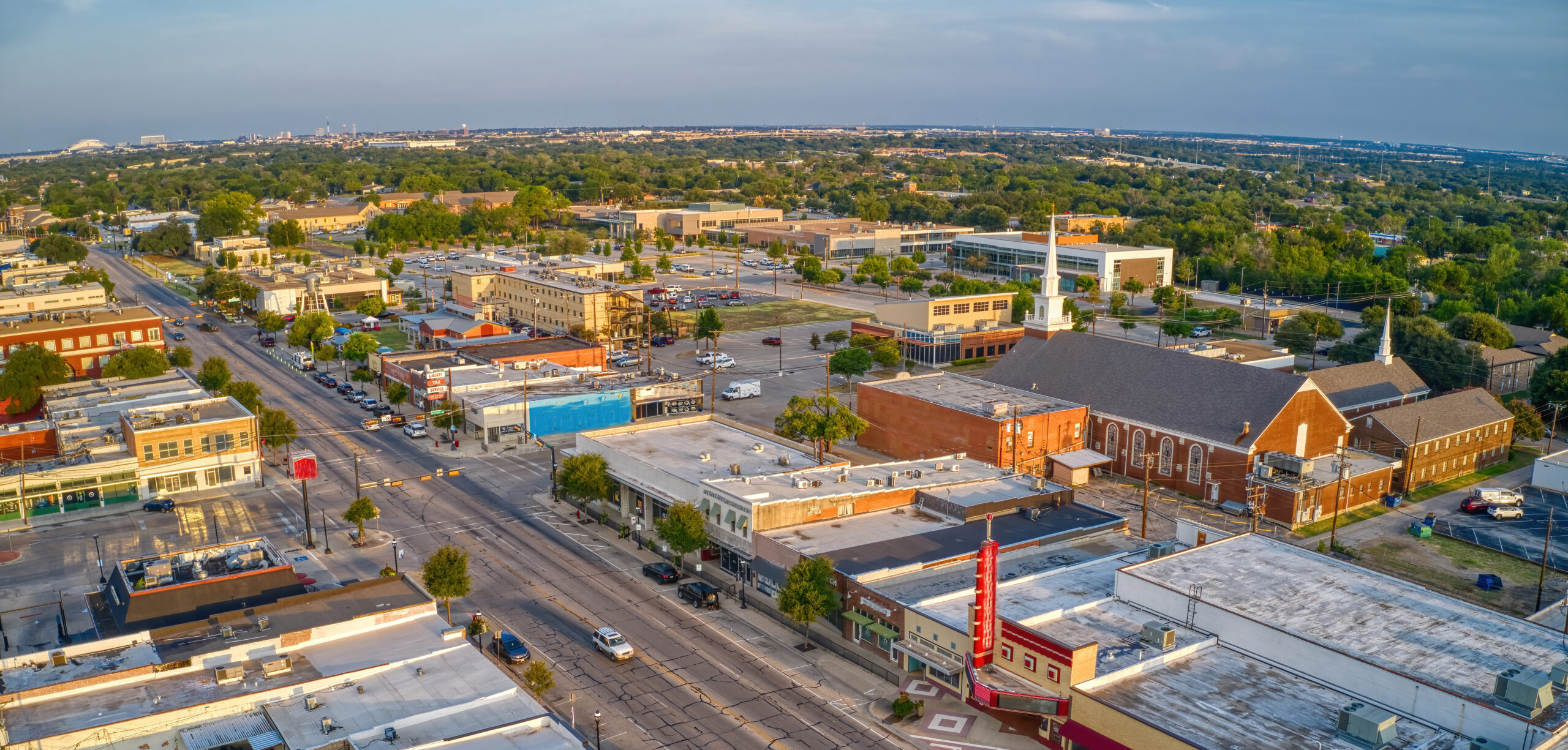
Grand Prairie Optimizes Facilities for Thriving Future
As communities across Texas continue to grow, municipalities face increased pressure to ensure infrastructure keeps p…

