
- All Posts
- Mapping Strategic Solutions for a Warming World
Mapping Strategic Solutions for a Warming World
Salem-Keizer Public Schools Taking Steps to Improve Building Performance
Salem-Keizer Public Schools is making long-term investments to improve classroom comfort, energy efficiency and building resilience across its 76 facilities, with student learning and well-being as the priority.
As Oregon’s second-largest school district, Salem-Keizer is responding to rising temperatures and their impact on classroom conditions. District leaders have partnered with McKinstry to take a practical, data-driven approach to improving building performance, with an emphasis on sustainability, operational efficiency and healthy learning environments.
Concerns from students, teachers and families about increasingly hot classrooms helped accelerate action. Research from the Environmental Protection Agency shows that even modest temperature increases can reduce academic performance by 4% to 7%, with long-term consequences if left unaddressed.
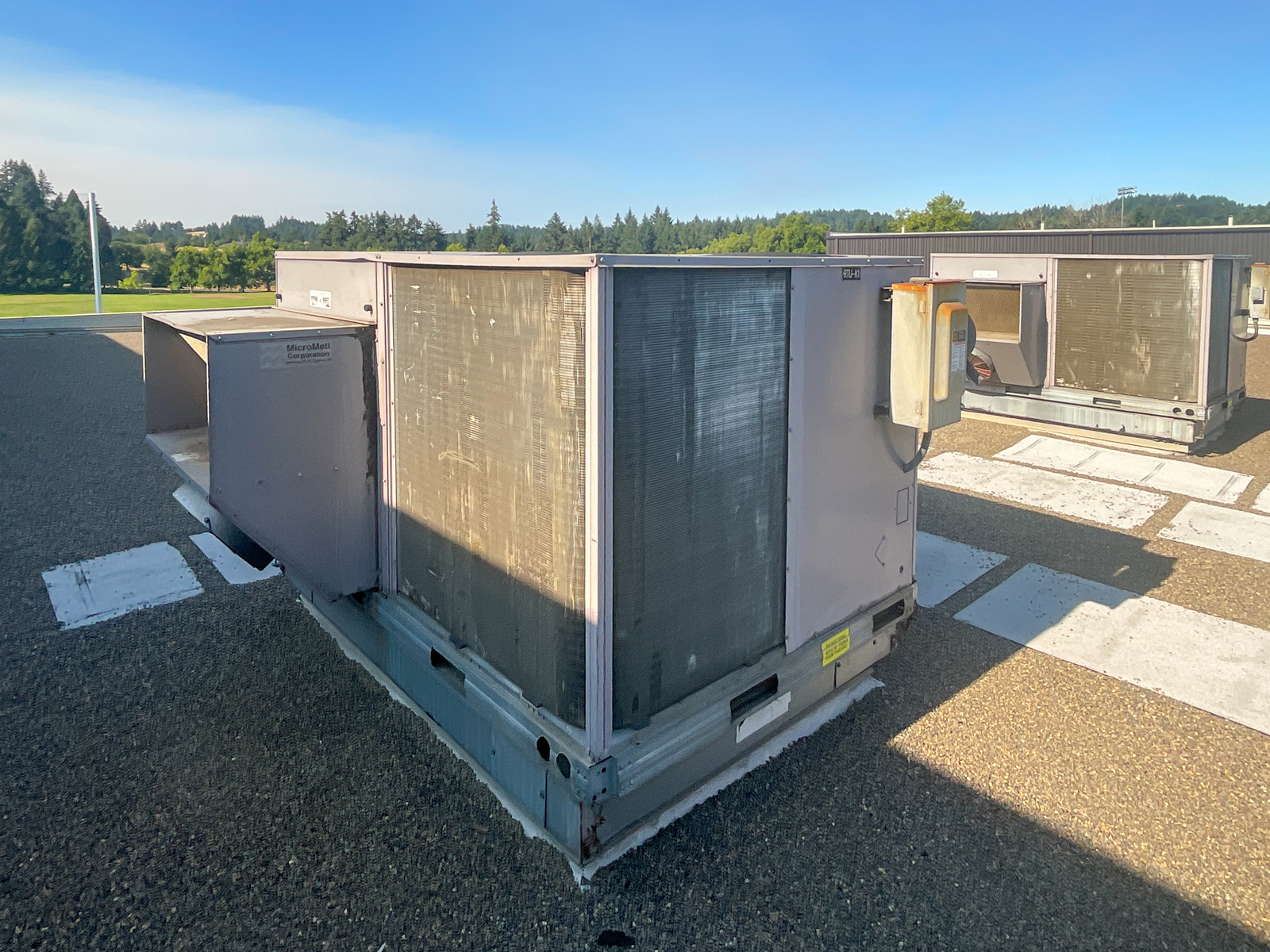
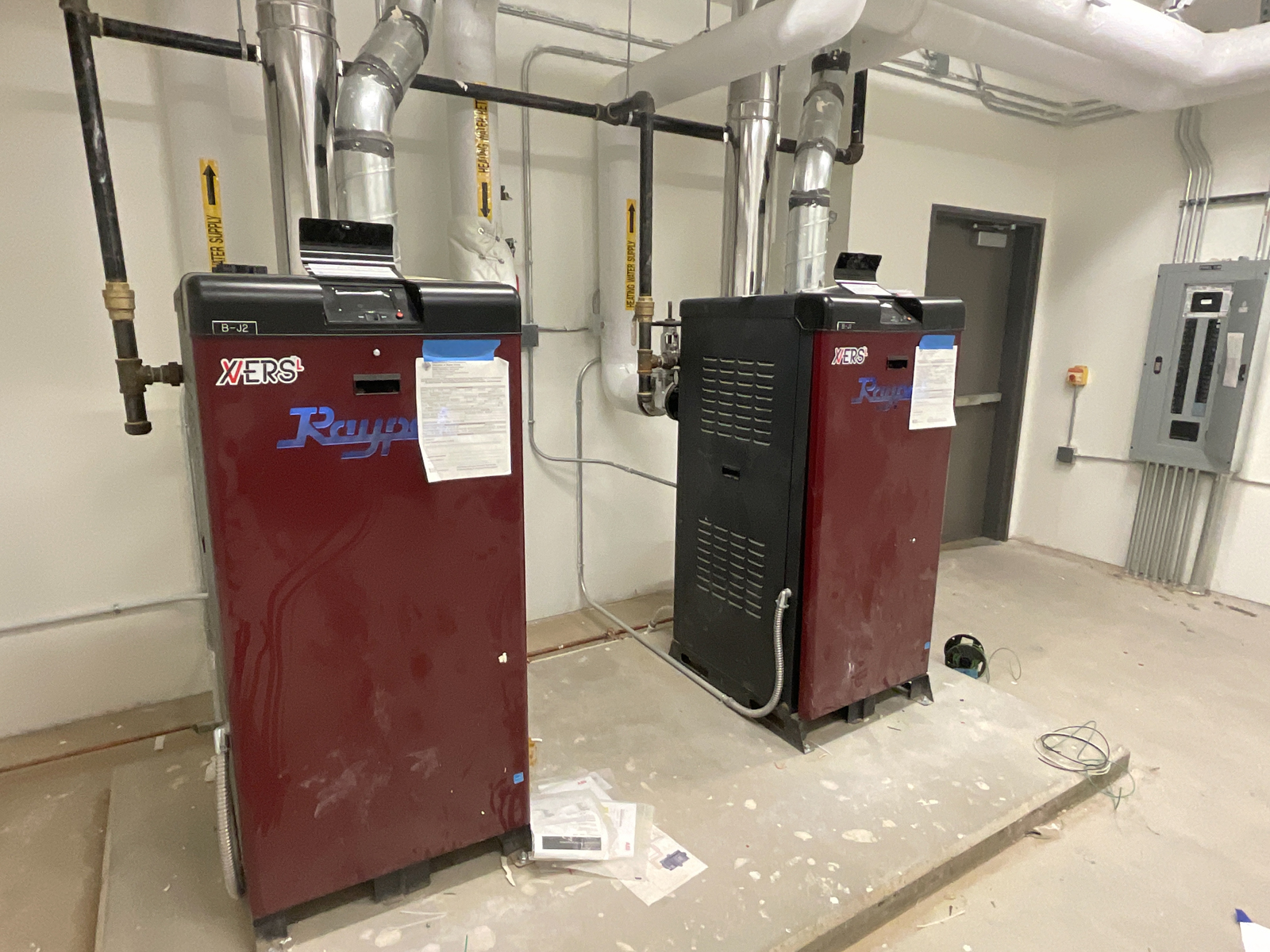
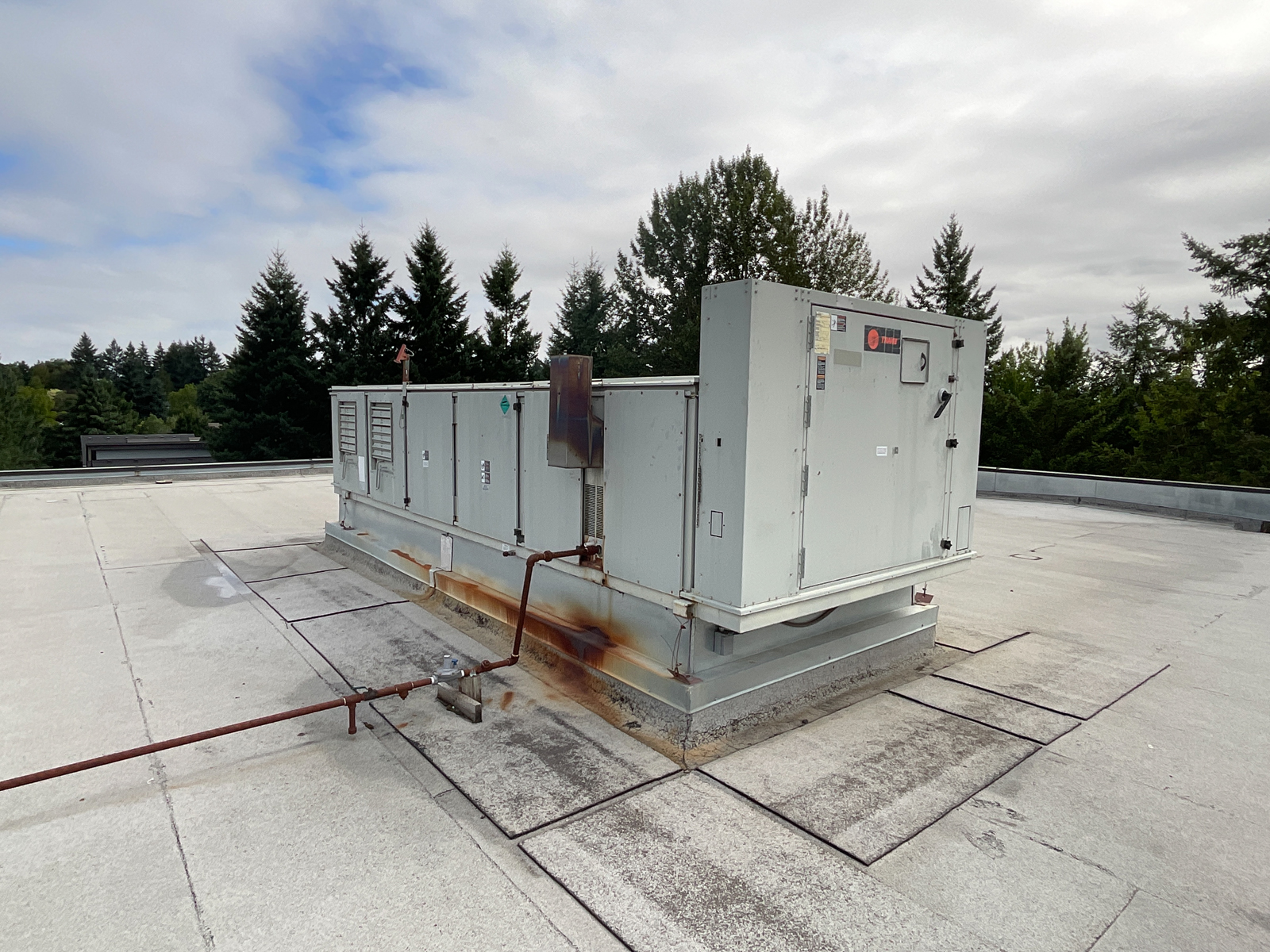
To better understand system needs, McKinstry assessed each school’s ability to support added cooling and identified aging equipment likely to reach the end of its useful life within the next decade. Engineers developed detailed zone maps and used 360-degree video walkthroughs to evaluate buildings remotely and plan upgrades efficiently. McKinstry piloted this innovative approach on the project, accelerating timelines for the district.
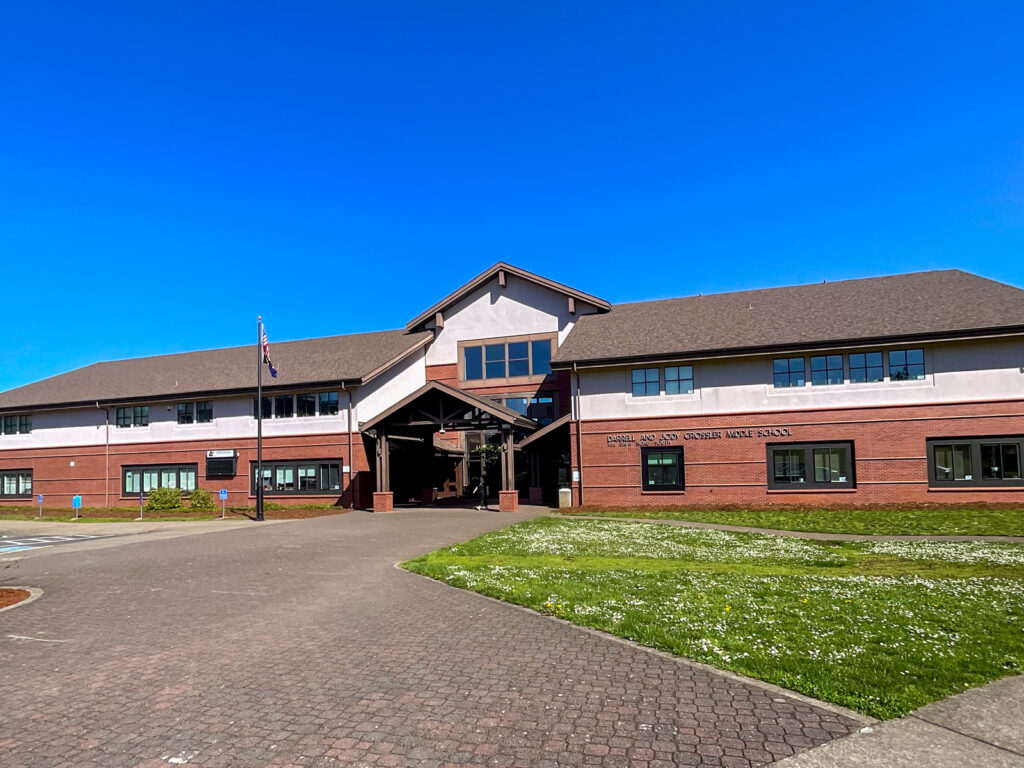
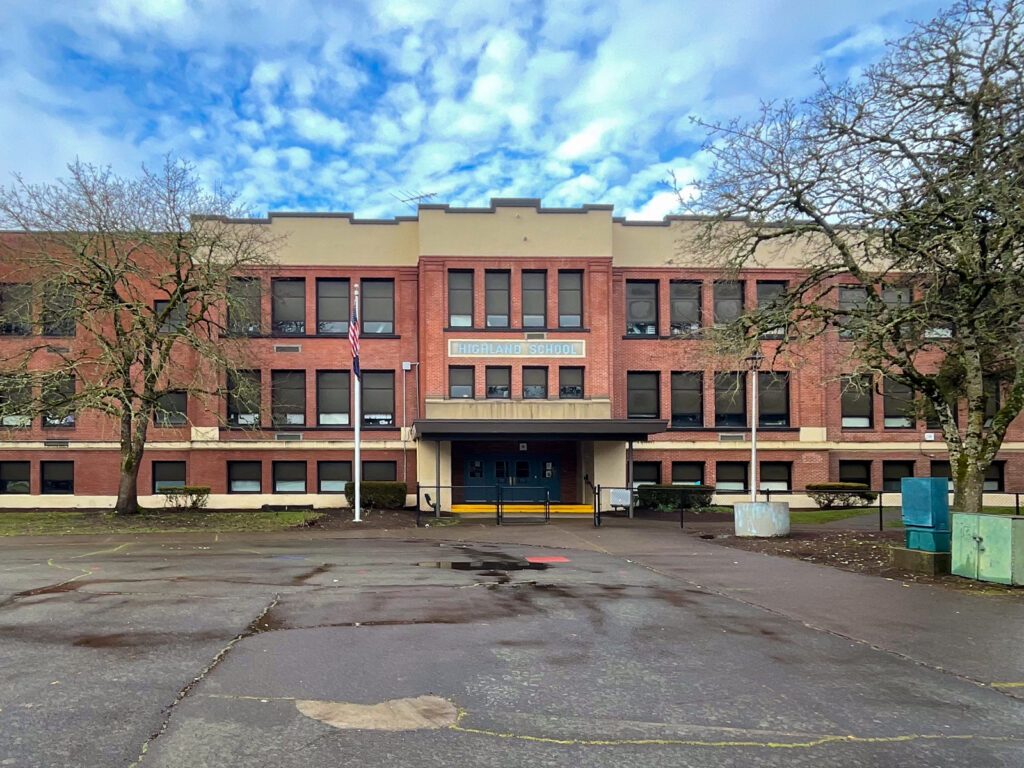
The initial cooling assessment expanded into a comprehensive, asset-based facility condition assessment (FCA), providing a foundation for Salem-Keizer’s capital planning over the next 30 years.
At the same time, the district evaluated energy performance under Oregon’s new Building Performance Standard (OBPS). OBPS covers thousands of buildings across the state, creating a comprehensive picture of building energy intensity and highlighting opportunities for greater efficiency. Salem-Keizer Public Schools is demonstrating what early action can look like, showing how districts that may not need to meet a performance target in the first compliance cycle can still benefit from proactively understanding their energy use and planning improvements. McKinstry analyzed utility data, identified the 10 lowest-performing schools, and developed targeted strategies to improve efficiency. The result is a clear roadmap for the district to manage energy use while expanding cooling across campuses.
With integrated consulting, engineering and trade expertise, McKinstry is supporting the district from assessment through project implementation and long-term planning, including working in close partnership with long-range planning consultant BRIC Architecture. Together, the teams are shaping future upgrades and exploring energy program policies that positively impact educational adequacy and learning environments districtwide.
Salem-Keizer Public Schools is taking a proactive, data-driven approach to rising heat, creating resilient learning environments to support students and staff for years to come.

Explore Other Insights
Building Trust Through Partnership in Indigenous Communities
In rural Montana, a school is where students learn, but it’s also where communities gather to mourn and celebrate, fi…

Rob Malvaney: The Art and Science in Facility Operations
To many, facility operations and maintenance are about keeping systems running efficiently. For Rob Malvaney, directo…

Kyra Hughes: Building Better Solutions Through A Broader …
The best facility service solutions rarely come from a single perspective. They come from understanding how engineeri…

