
How Do You Cool a Data Center Built for AI? McKinstry’s Seth Davis on the Liquid Cooling Playbook

Over 20 years at McKinstry, Seth Davis has built an engineering career shaped by complex systems, large-scale projects and shifting markets. Today, as vice president and principal of Engineering for Data Center Innovations, he helps lead McKinstry’s work at the forefront of data center delivery.
Davis began his career splitting time between Energy Services and SPG work where he focused on central utility plants and hospital projects. “It gave me a good background of systems work,” he said, noting that diagnosing what does not work is often the fastest way to understand how systems truly perform.
That foundation carried into data center work when Davis stepped into the role of a retiring senior engineer. Initially, data center projects were balanced with major commercial office work, but shifting market conditions eventually changed the trajectory. “As we saw the commercial market fluctuate, we were looking for what the new opportunity could be. That is when Engineering decided to double down on our data center experience,” Davis said. That focus led to the creation of Data Center Engineering and later the broader Data Center Innovations group.
Davis credits his varied background with preparing him for the scale and demands of data centers. “Data center work is its own kind of animal,” he said. “They’re big projects, so you need to know how the construction process works. Performance is key though, so knowing how the systems work is really important.”
That balance of process and performance is increasingly critical as data centers evolve to support artificial intelligence. Rising compute density has pushed traditional air cooling to its limits. “These servers generate so much heat you can’t blow cool air to cool them anymore,” Davis said. “The heat density is so high that you actually need to direct liquid straight into the server.”
Through early exposure to hyperscalers and first-of-a-kind facilities, Davis and his team led the industry as liquid cooling technologies emerged. “The industry was still learning in real time, and we were on the front lines across design, construction, operations and maintenance,” he said of the early stages. That experience positioned the DCI team to understand what works, what does not and where to focus as the technology matures.
Liquid cooling also presents efficiency opportunities. Operating at higher temperatures can reduce reliance on chillers and lower fan energy use. While most data centers still require chillers today, Davis sees a clear transition underway.
“The opportunity with data center projects is that small improvements can make a big difference,” he said. “Saving a large data center project a few percentage points of energy is probably more kilowatt-hours than I saved in my entire seven years in Energy Services.”
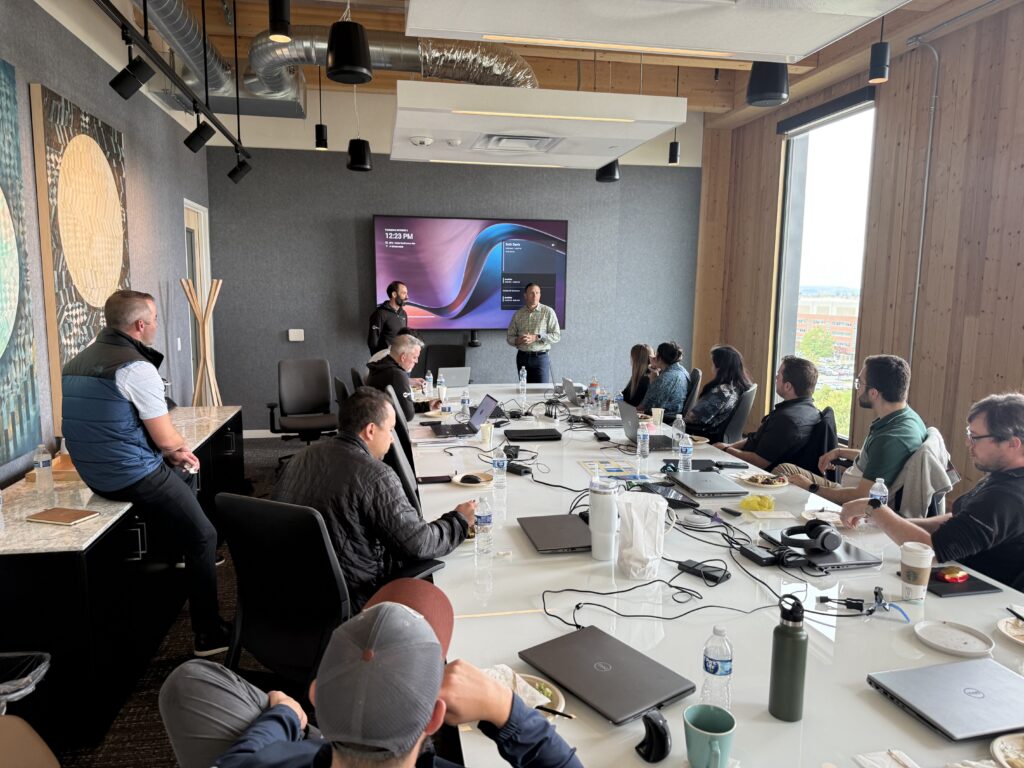
The Data Center Innovations team supports all data center-related work at McKinstry, from ground-up design-build projects to manufacturing, service work and specialized innovation efforts. “Everything data center at McKinstry, my team supports,” Davis said, adding that early consulting also helps position other teams for future delivery.
As demand accelerates, Davis defines success as disciplined growth. “Success looks like taking the opportunity but growing in a way that is sustainable,” he said, with a focus on developing people, delivering meaningful work and building long-term client relationships.
Looking ahead, Davis sees DCI as a driver of McKinstry’s evolution toward more fully integrated MEP delivery. “MEP is king in data centers,” he said. “Having that integrated MEP deliverable is really important.”
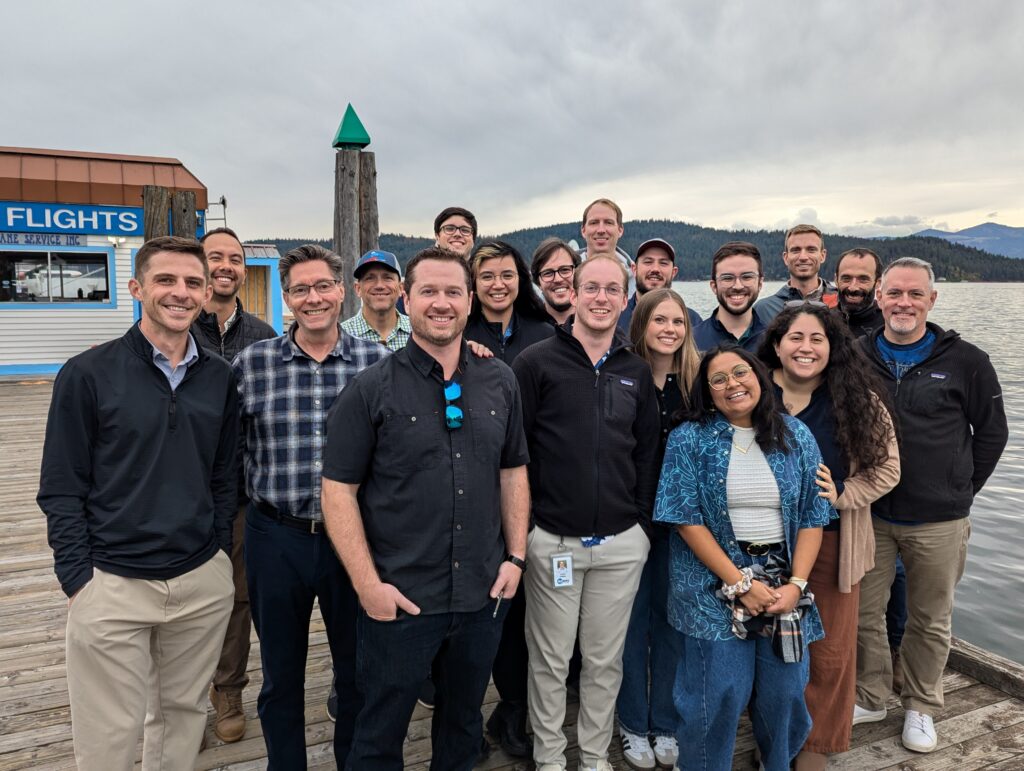
What motivates him most is the team. “I love seeing folks in the DCI team excited about the work they’re doing and the opportunities that McKinstry has,” Davis said. “Connecting exciting work with great people — that’s what excites me.”
Explore Other Insights

Kyra Hughes: Building Better Solutions Through A Broader …
The best facility service solutions rarely come from a single perspective. They come from understanding how engineeri…

Lauren Frugé: Leading with Values and Purpose
Lauren Frugé spent her career turning a lifelong passion for environmental stewardship into action. Today, as regiona…

From Heatwaves to Haboobs: Planning for Weather Risks
Effective weather planning not only protects workers, but also supports project continuity by helping teams anticipat…

