
A Common Threads Conversation: Being Your Authentic Self at Work
In honor of Pride Month and the 57th anniversary of the Stonewall Uprising on June 28, we asked two McKinstry Pride Alliance members to sit down for a Common Threads conversation, where teammates set out to explore their unique experiences and find connections along the way.
Over a virtual lunch, Mykkah Herner, senior people analytics partner, and Nick McIntyre-Wyma, senior technology helpdesk technician, journeyed in conversation through their roles at McKinstry, how their LGBTQ+ (Lesbian, Gay, Bisexual, Transgender, Queer, and more) identities shape the way they navigate the world and the workplace, and reflections on Pride Month. Their exchange has been edited for length.
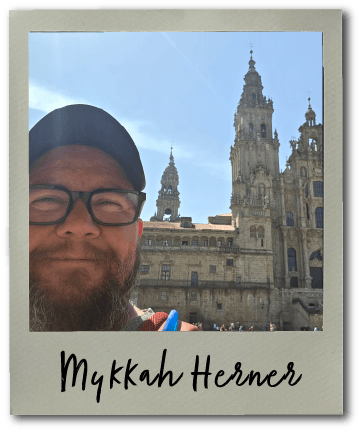
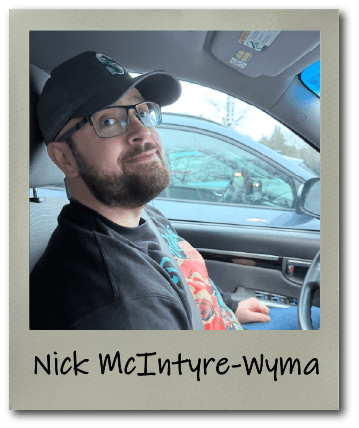
Nick: How long have you been at McKinstry and how did you end up here?
Mykkah: I am very close to my 9th anniversary! As a consultant, I helped McKinstry build their first-ever compensation structure and got to know the company’s culture and people. Before I decided I wanted to dive deeper into compensation, I knew McKinstry was a group of people I wanted to work with. Time and time and time again, that’s been true. What about you?
Nick: I’ve always worked in tech and I really like the Seattle area, so making the move from Michigan to Seattle felt natural. I joined McKinstry seven years ago, then left to pursue a different opportunity for a year before coming back. I’m one of McKinstry’s many boomerangs, and there’s a reason for that. The work culture, not just on the help desk team, and our values and leadership are strong and consistent.
Mykkah: I love that. What’s the most fun or interesting thing that you’re working on right now?
Nick: McKinstry has 65 interns this summer and a lot of work goes into supporting them. I get to sit in at the beginning of their orientations, and it’s wonderful to see how eager they are to learn. We have a high conversion rate for our interns coming on full time. One of my teammates started as an intern on the help desk!
Mykkah: I love that. Where at McKinstry do you feel the most you, and when do you feel you most belong?
Nick: I’d say when I’m in our help desk space. The majority of us come into the office every day and sit together, which fosters team collaboration that I really enjoy. It’s the easiest place for me to authentically be myself because my teammates are so supportive and collaborative. Given the nature of our work, we run into unique problems, and finding solutions requires a lot of teamwork. How about you?
Mykkah: I’m responsible for running our engagement survey, helping develop questions that will identify areas for us to stay steady or improve in the future. I feel most myself when I share results and trends with our leaders, reflecting the voices of everybody who works at McKinstry and helping to shape our future. It makes me feel so proud of what I do in my role.
Nick: That’s amazing. Switching gears a bit, do you think there’s any part of your LGBTQ+ identity that shapes how you show up at work?
Mykkah: Wholeheartedly, yes. I’m trans, and I came out more than 25 years ago. As I’m going about my daily life, I have multiple truths. Those are the aspects of who I am that seem like they couldn’t be true at the same time, but they are. For example, I’ve experienced the privilege of being a white man and passing at work, but I also deeply understand the kind of sexism women face. Having those multiple truths gives me the ability to value things that seem contradictory and to weigh different ideas and perspectives, especially when it comes to analyzing our survey.
On a similar note, what misconceptions have you encountered as part of your identity?
Nick: A lot of people think, “why does your orientation matter when you’re coming into work?” Well, it does, and it doesn’t. My sexuality as a gay man is not important at all to the work I’m doing, but it is very important in the way it informs who I am as a person. It shapes my lived experience, how I’ve grown up, and how I view the world. That doesn’t disappear when I’m at work. A big part of any job is connecting and collaborating with teammates, and while my identity doesn’t really matter in those interactions, my lived experience is a big part of who I am and is reflected in the way I show up.
Mykkah: It’s hard to separate your identity from work when it’s such a big part of how you navigate the world. I just went on a big trip to Portugal and Spain and had a great time, but I wasn’t sure if I’d be able to re-enter the country or if my passport would get confiscated because it has my current gender marker, not the one I was given at birth. My passport expires soon and I’m not going to be able to get a new copy that has my current gender marker. That creates a safety risk because if I want to travel again and visit a place that isn’t as friendly to LGBTQ+ people, not having my current gender marker could put me in danger. Luckily, I came home safe and still have my passport with everything I want to have on it, for now.
Nick: Exactly. I think it’s important because, especially back in Michigan, I haven’t always been able to bring my full authentic self to work because it didn’t feel safe. And when that happens, you put up a wall between you and your teammates, whether it’s intentional or subconscious. Keeping those walls down and feeling like you’re in a safe space is essential for collaborative work.
Mykkah: In a totally practical way, if you’re always focused on dampening some part of who you are so you don’t reveal a secret, some part of you is always distracted, and that keeps you from focusing on building your career.
Nick: Yeah, exactly. It takes a lot of mental energy, and that’s much better spent elsewhere. How about you? What misconceptions have you faced?
Mykkah: At this point, I don’t remember who I’ve already come out to or how I’ve come out to them in the past. Sometimes I want to tell a story about growing up as a group of three girls with my sisters, and that’s important to who I am and how I evolved as a person. But I’m tired of feeling like it’s my responsibility to constantly tell my story. The way I like to approach it is this: if I say something that makes you tilt your head like a dog and go “what are you talking about?” then just ask me about it. I’m a private person, but I’m also not shy to be honest about who I am. But that’s just me, and I don’t speak for all LGBTQ+ people. That’s a daunting concept.
Nick: Yeah, the LGBTQ+ community is definitely not a monolith. Coming out feels like less of a big event the more you do it, but it’s still an emotionally intense thing to do every time.
Mykkah: Totally. At this point, if it’s part of a story or a point I want to convey, I’ll drop “yeah, by the way, I’m trans” into a conversation and just keep going. And to the credit of people at McKinstry, I usually just get a polite head nod and the conversation just keeps flowing. On that topic, does Pride Month have any significance for you?
Nick: For me, it’s an important time because I moved here from Michigan, specifically a rural area where being LGBTQ+ was, and still is, a hush-hush and unaccepted reality. We had only one queer space in all of Marquette, and that was the bed and breakfast that converted into a gay bar on Thursday nights only. Pride in Seattle feels so different and special because I never felt like I could be my full, authentic self in Marquette, at least not in a safe manner. All the support, love and pride in our community gives me the confidence to be myself.
Nick: Absolutely. Is Pride month significant for you?
Mykkah: When I was first thinking about this, I thought the answer was no. I was very active in Pride activities when I first came out, but taking part in formal Pride activities isn’t really my thing anymore. But I will say, the Pride activities that McKinstry does are super touching to me. I got all teary and emotional when I watched the Seattle Pride Flag raising video.
Nick: It can seem like a small gesture, but seeing the Pride flag waving above the Seattle office is a powerful reminder of our values. The way I get involved is by making people feel welcome and free to be themselves, both at McKinstry and within my community. Let’s jump over to what excites you the most about where McKinstry is headed?
Mykkah: Every time Dean (McKinstry’s CEO) talks about how we’ve set ourselves up for a bright future, I get super motivated. Being broad and having a wide variety of work allows us to flex based on what’s going on in the market, and we’re super resilient to what’s going on in the external market because of how we’ve set ourselves up internally. What’s even more exciting is our #OneTeam mentality, where we’re bringing more people to the table so we can show up better for ourselves, our clients and the environment. We’re diverse but united.
Nick: Yeah, that’s always been an awesome strength of McKinstry. I really enjoy that from the tech side and how McKinstry has been embracing technology and a tech-forward approach.
Mykkah: That’s super cool. What’s your proudest McKinstry moment or accomplishment?
Nick: I’d say when Kamala Harris visited our Seattle campus in 2023 in celebration of the one-year anniversary of the Inflation Reduction Act. It was a high-profile event with a quick turnaround time! The Secret Service had strict security requirements for hosting that event and I was so lucky to be involved in the technology set up. Some of the security protocols made me feel like I was in a Steven Spielberg movie. The specific moment that comes to mind was when I was called into a room packed with Secret Service and White House support staff and had to help them connect their laptop to our conference room equipment. How about you?
Mykkah: Wow! I’d say my proudest moment so far has been developing an all-employee training on how compensation works at McKinstry, which is now part of new hire onboarding. A few attendees reached out and thanked me for putting it together because before that, they didn’t know how compensation worked, and now they felt more empowered to have effective conversations with their managers.
Nick: That’s great! To close things off: what do you think we had unexpectedly in common? What surprised me was that we both love to travel, especially our experiences visiting Kyoto and Japan. Reminiscing over that was fun.
Mykkah: Yes! The quiet, orderly part of Kyoto spoke to me when I visited, and based on our personalities, it makes sense that we really appreciate that environment. That is awesome!
I expected to have a lot of things in common with you based on how you show up at work. You’re not a “front of the room” guy, you enjoy enabling people to do their best work, and you have a kindness to you about wanting people to feel comfortable, successful and enabled. Those are things I resonate with and try to do as well.

Explore Other News
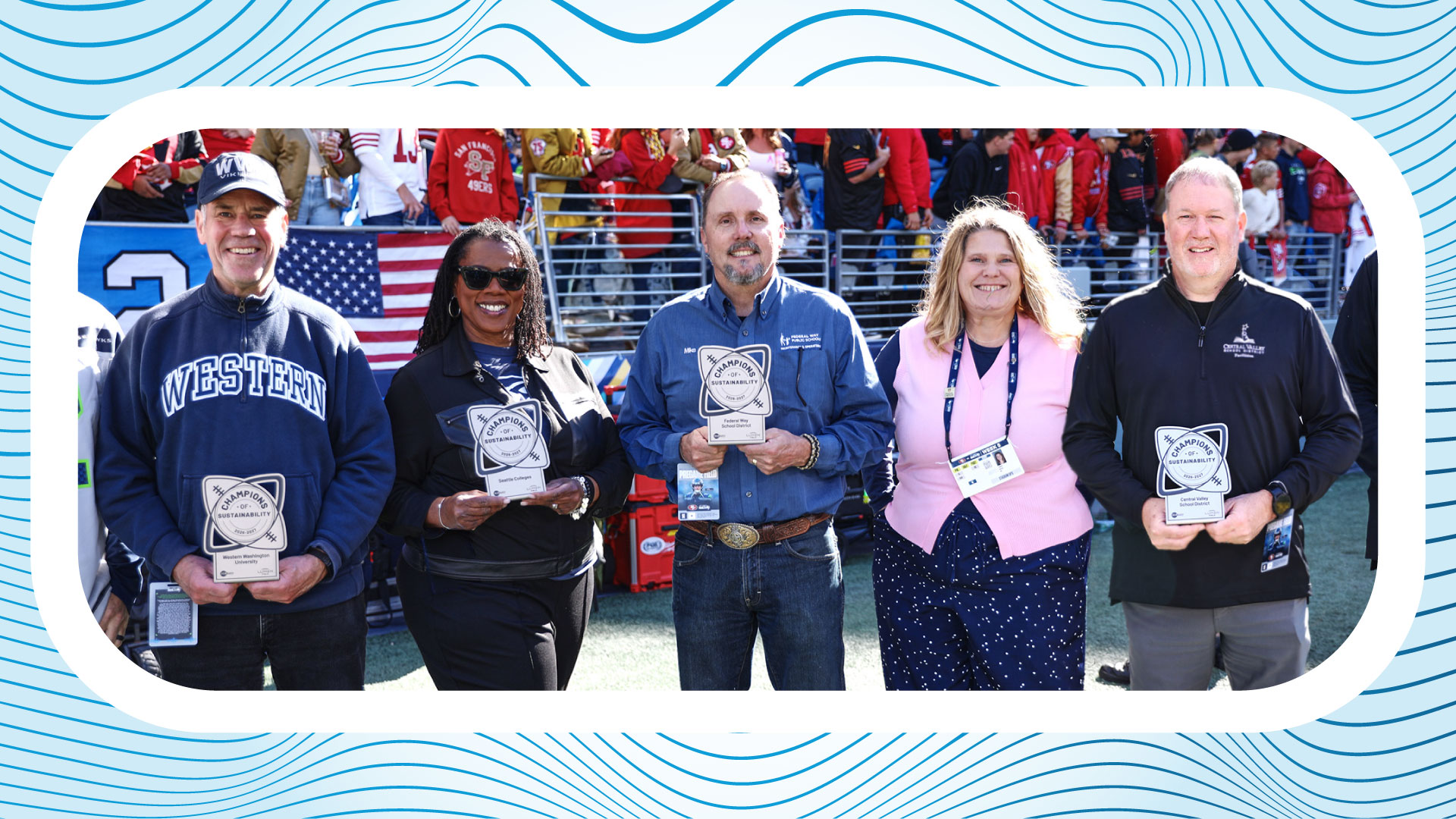
McKinstry and Lumen Field Honor 2026 Zero+ Champions of S…
Central Valley School District, Federal Way Public Schools, Western Washington University and Seattle Colleges recogn…
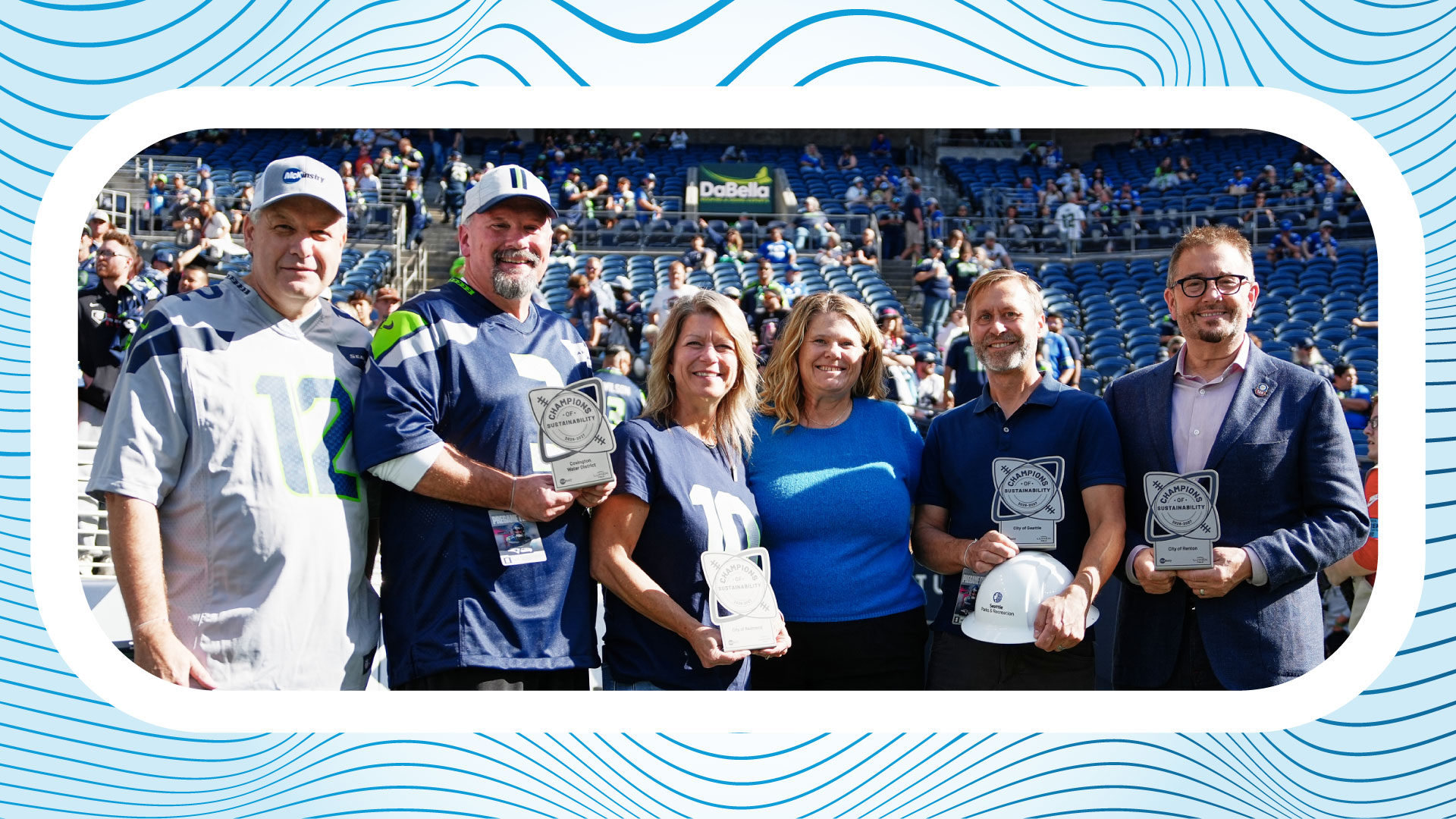
McKinstry and Lumen Field Honor 2026 Zero+ Champions of S…
Covington Water District and the cities of Seattle, Redmond and Renton recognized for advancing sustainability, reduc…
2025 Impact Award Winners Make a Difference
The fifth annual McKinstry Impact Awards honor employees who have made exceptional contributions to environmental and…

