
Building Trust Through Partnership in Indigenous Communities

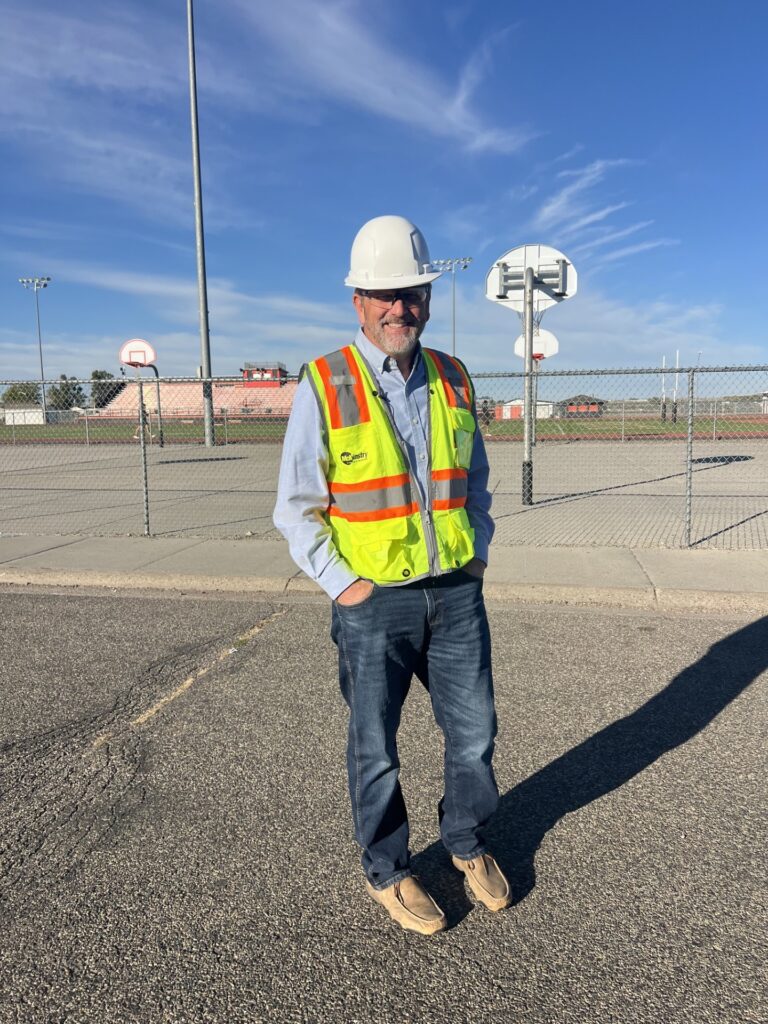
In rural Montana, a school is where students learn, but it’s also where communities gather to mourn and celebrate, find warmth through long winters and connect with friends. For the Indigenous communities near Box Elder and Poplar, schools are all of that, while also serving isolated populations, hours from the nearest contractor and often led by educators who greatly benefit from additional support and services. Our teammate, Bob Moore, knows this world intimately because he lived in it for more than three decades.
For 30 years, Bob was a champion of students as an education professional in Montana. As a teacher, principal and superintendent, he advocated for resources to provide his students with safe, functional learning environments built for their future.
He retired from his long career in education with a solid track record of successfully passing school construction and renovation bonds, but he wasn’t ready to completely put his educational career behind McKinstry recruited Bob out of retirement to bring his expertise to the construction side of modernizing schools.
Now an account executive, Bob serves as a trusted partner to clients who are often in a spot where they have to make difficult decisions amid competing priorities and resource constraints.
“I can empathize because I’ve been in their shoes,” he said.
Serving Indigenous Communities in Remote Locations
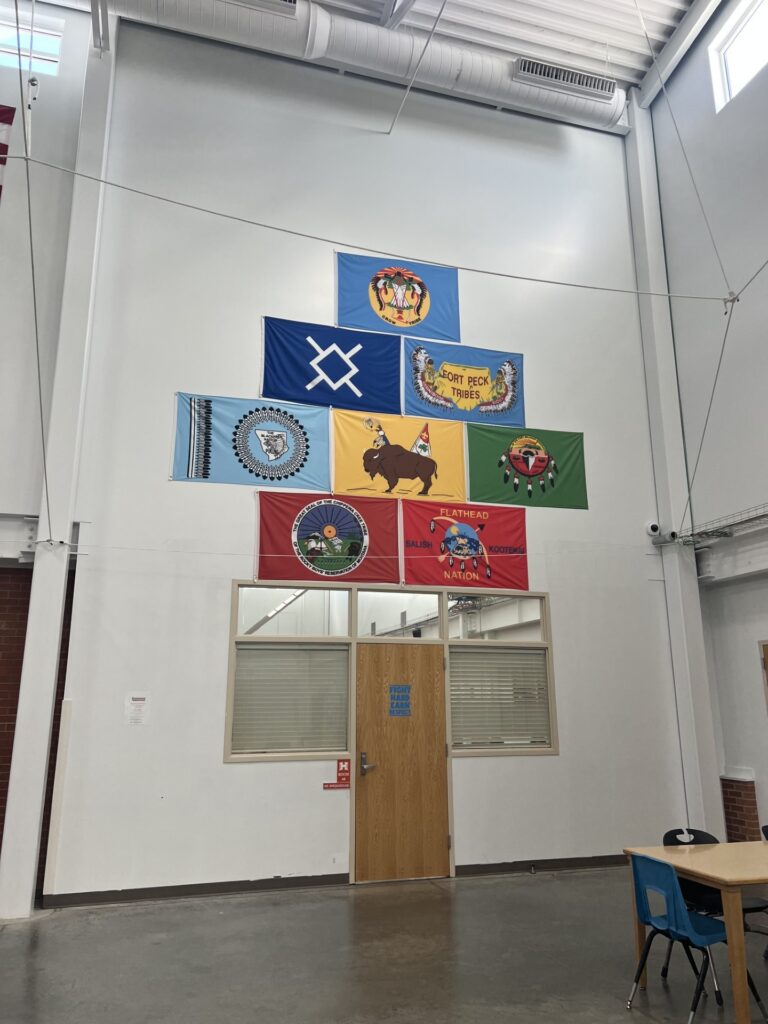
Several Montana K-12 clients are in remote, sparsely populated areas, which makes it difficult for them to access the facilities support and resources they need. Many of these schools, like Box Elder Schools and Poplar Schools, are located near and serve students from Indigenous tribes.
“These rural communities are several hours away from larger towns like Bozeman and Missoula, and it’s hard to find contractors who are willing to travel to such a remote area for service calls and contracted work,” explained Bob.
Limited resources and expertise pose a unique challenge to these rural schools, but with the right partner, they can receive the modernization they need to not just be a thriving learning environment but also benefit the whole community.
Filling in Knowledge Gaps
“While I completed both a master’s and doctorate degree before becoming an administrator, rural districts often have different pathways to leadership,” Bob said. “Administrators may step into these roles while pursuing additional credentials, creating unique recruitment and retention challenges for school systems.”
Rural Montana schools are occasionally able to access grant funding, but those opportunities can be limited. Combined with constrained budgets and limited facilities resources, it can be challenging for remote schools to stay on top of preventative maintenance. Over time, deferred maintenance can shorten equipment life spans and lead to more costly repairs or replacements.
“Most of these smaller school districts don’t have a capital plan or a list of their current assets that shows what condition they’re in or the age,” Bob said. “We’re working to provide school districts with preventative maintenance for equipment, institute deferred maintenance and get them on a capital planning schedule to provide a functional learning environment.”
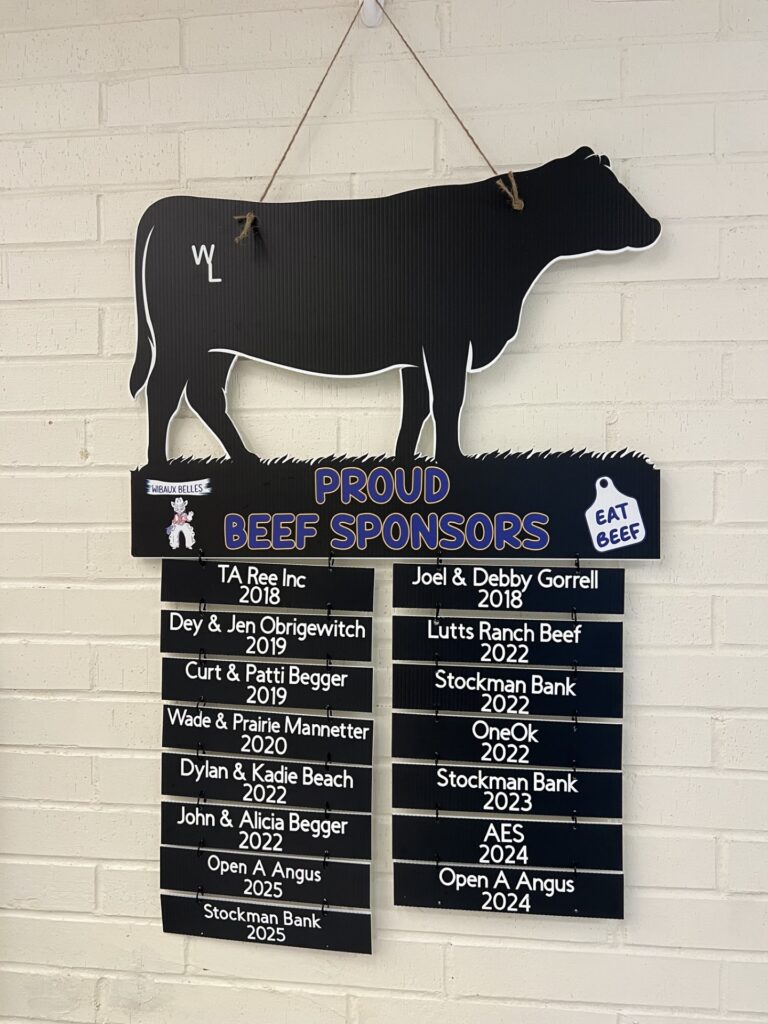
Without financial means for a project, districts must run a building reserve levy, capital bond levy or use Impact Aid to fund improvements which impact local taxpayers. Helping tribes secure funding through these various mechanisms has been a major focus for Bob’s team over the last few years.
“They’re not looking for extravagance,” Bob said. “They want functional learning environments that provide quality education and keep the community viable.”
Schools as Center of Community
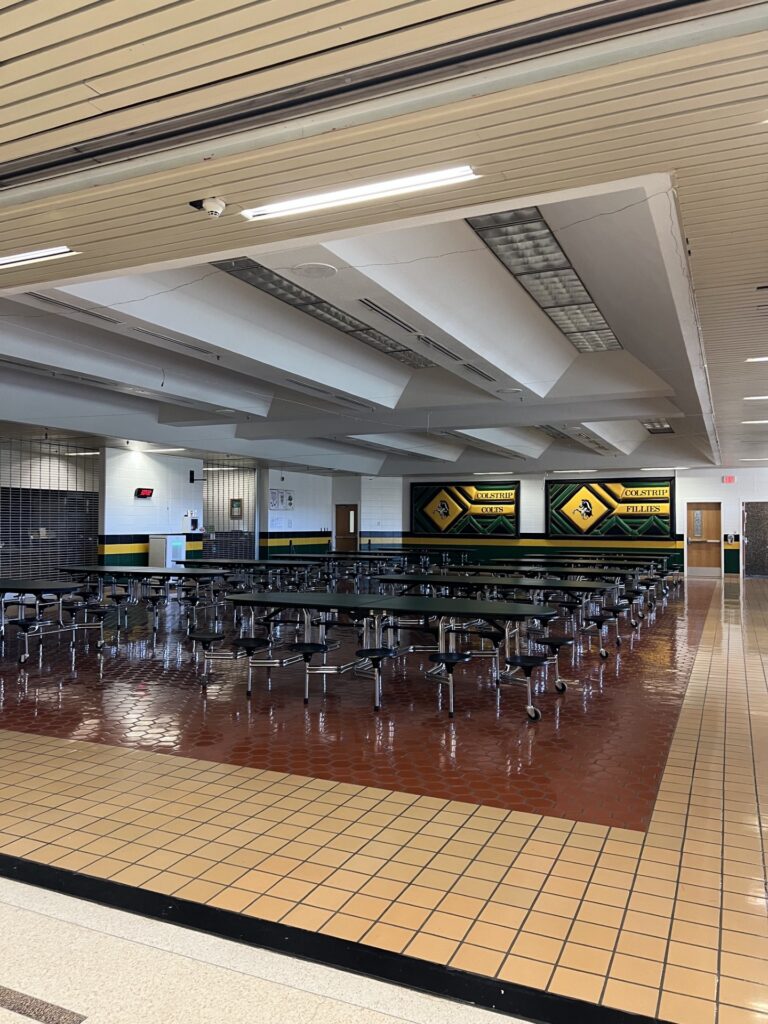
While Montana’s overall population continues to grow, demographic shifts and relocation have resulted in several school district closures and consolidations.
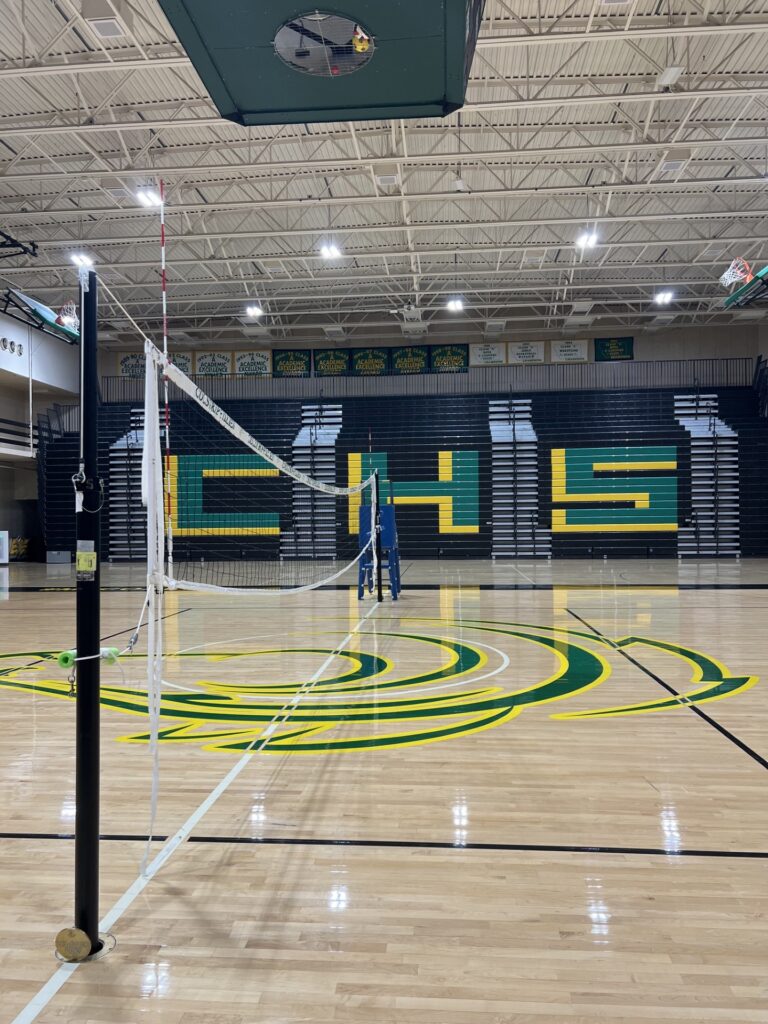
“When the schools close, the communities really shrivel,” Bob explained. “Up in rural Montana, our gymnasiums are community centers. We have long winters and you’ve got to find a way to stay entertained inside. They’re the largest central hub for the community, so when people need to gather in times of mourning and celebration, the local school is frequently the only available option.”
In addition to schools, tribes find community through facilities like the Mīyō Pimātisiwinkamik Youth Center, a recently completed project at the remote Rocky Boy’s Reservation. The facility provides a dedicated space for recreation, wellness services, cultural programming and community connection for Chippewa Cree youth and families. McKinstry served as a design-build partner for this project, designing and managing the subcontractors for the mechanical, electrical and plumbing systems at the entire facility.
“Giving places for all youth, especially tribal youth, to go when school is out of session or it’s too cold to play outside is so important,” Bob said. “They deserve a safe, supervised learning environment where they can play basketball, get health care, take a sewing or technology class and build a sense of shared culture.”
Building Trusted Partnerships
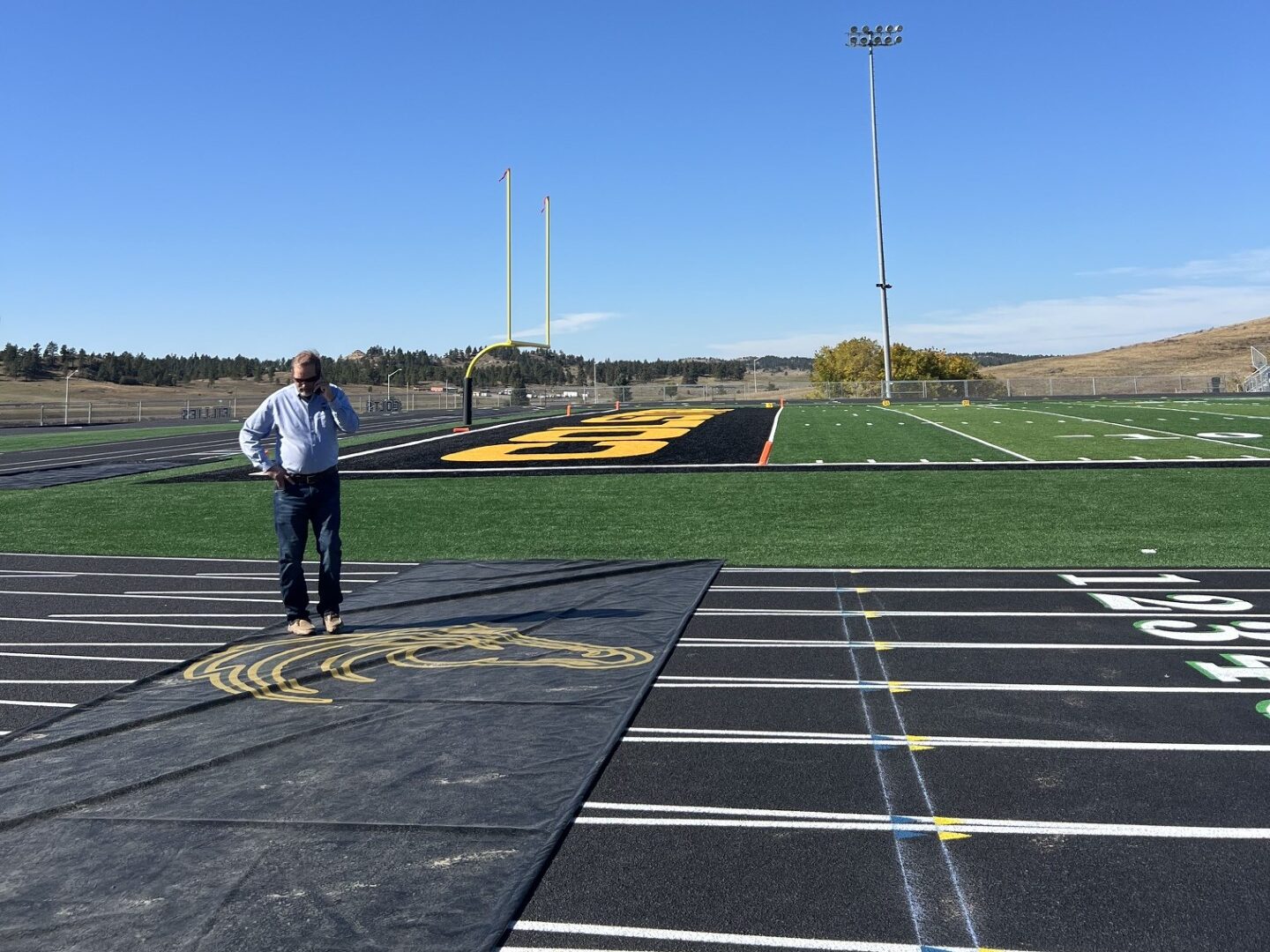
For Bob, that sense of community is key to building trusted partnerships with clients.
“I emphasize with our Montana team that our clients like to see who you are, know who you are, and build trust in you. If you go in, do a job, and they never see you again, you’re probably not going to work in that community or that school again if something goes haywire,” Bob said. “But if they know they can pick up the phone and somebody’s going to show up for them, that’s huge because that doesn’t happen in a lot of these rural communities.”
Bob finds this work to be highly fulfilling, and he is looking forward to continuing to build strong client relationships off trust and reliability.
“It’s a unique experience to work with past colleagues and students I taught in graduate courses and then turn around years later to support their school and community. I love that this work keeps me involved in the school community,” Bob said. “Improving education in Montana is something I’m very passionate about, and I’m fortunate I can contribute my expertise in a meaningful way.”
Explore Other Insights
Building Trust Through Partnership in Indigenous Communities
In rural Montana, a school is where students learn, but it’s also where communities gather to mourn and celebrate, fi…
Rob Malvaney: The Art and Science in Facility Operations
To many, facility operations and maintenance are about keeping systems running efficiently. For Rob Malvaney, directo…
Lauren Sadler and Alejandro Mercado on Celebrating Hispan…
In honor of Hispanic Heritage Month (September 15 – October 15), two McKinstry team members sat down for a Common Thr…

