
- All Posts
- Designing for an Energy-Constrained Future: Four Forces Reshaping Data Center Infrastructure
Designing for an Energy-Constrained Future: Four Forces Reshaping Data Center Infrastructure
The world’s demand for artificial intelligence is accelerating faster than any other technological cycle in modern history. As organizations scale model training, inference workloads and high-density compute clusters, the physical realities beneath the digital world are now impossible to ignore. Power availability, cooling thresholds and deployment speed have become existential constraints reshaping how the next generation of data centers are planned, engineered and delivered.
Across recent industry discussions, technical forums and expert panels, four themes repeatedly surface, signaling the sector is undergoing a fundamental transformation. Together, they outline the new operating model for digital infrastructure in an energy-constrained era.
1. Power Is Now the Primary Limiting Factor
For decades, the data center industry treated compute as the scarce resource. But today, the bottleneck has shifted decisively to power availability, delivery and orchestration. The electric grid, largely built for a different century, is struggling to keep pace with the exponential rise of AI-driven demand. Interconnection queues stretch into years, utilities face mounting constraints and large loads are testing the limits of regional transmission systems.
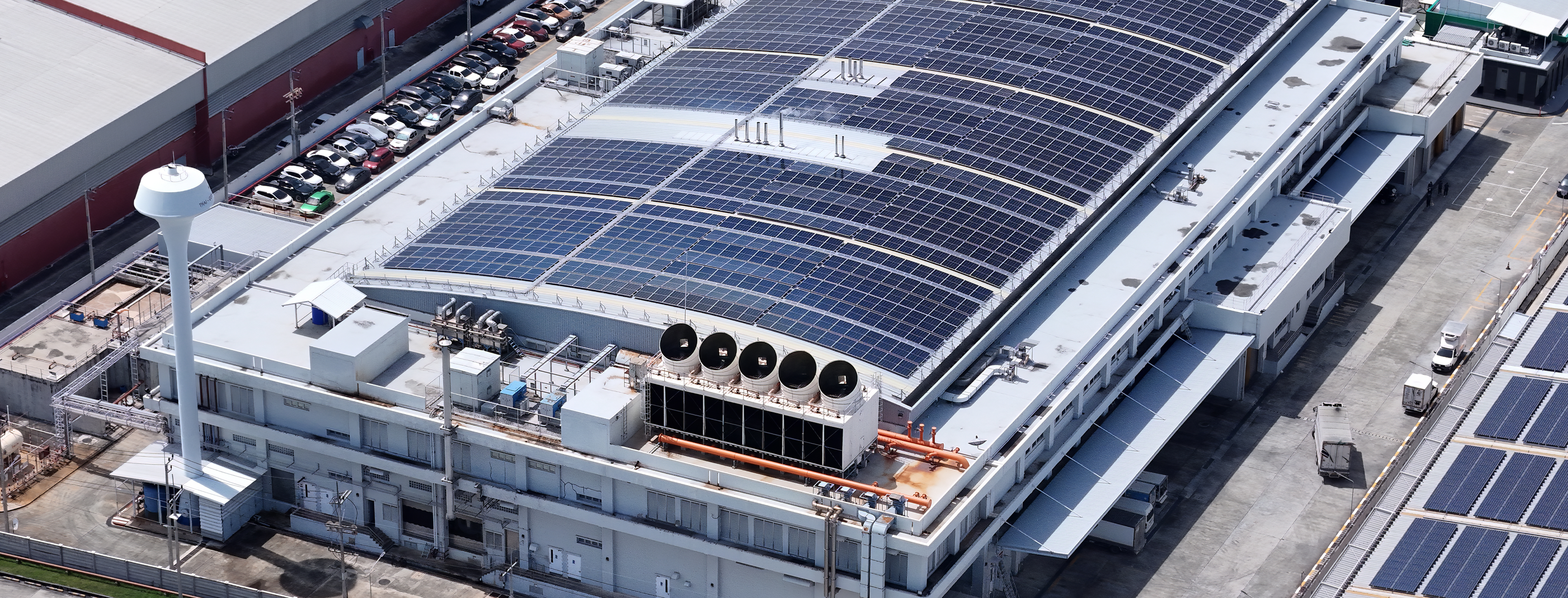
This new reality is forcing operators to rethink how they secure and manage power at every layer. On-site generation strategies such as microgrids, cogeneration and solar-plus-storage ecosystems are moving from fringe concepts to mainstream planning tools. As power electronics advance the feasibility of more efficient high-density distribution continues to grow.
A deeper structural shift is also emerging. Many experts predict a transition from AC to DC power architectures within the next five years, driven by efficiency goals, reduced conversion losses and the maturation of DC-native generation systems. This would represent one of the most significant architectural changes in the industry’s history with implications for design standards, equipment, safety and operational practice.
In short, power is no longer an engineering detail. It is the strategic variable that defines growth potential and competitive advantage.
2. Battery Energy Storage Systems Will Become a Foundational Layer of Infrastructure
As grid limitations intensify, Battery Energy Storage Systems (BESS) have evolved from backup assets into core operational infrastructure. Their role is expanding in several critical dimensions.
First, BESS functions as a bridge strategy time while utilities work through interconnection delays or while on-site generation assets are deployed. Storage can temporarily offset shortfalls, enabling operators to bring capacity online earlier than would otherwise be possible.
Second, BESS provides powerful load-management capabilities. By shaving peak demand, stabilizing fluctuations from high-density workloads and supporting demand-response programs, storage enhances power quality and reduces operational risk in ways traditional UPS systems cannot match alone.
Third, in a future defined by more localized hybrid energy ecosystems, storage becomes the connective tissue between diverse sources: solar, cogeneration, emerging fuel technologies and potentially small modular reactors (SMRs). With sophisticated controls, BESS allows operators to orchestrate these sources dynamically to optimize cost, carbon impact and reliability in real time.
Beyond resilience, the economics of storage are shifting. As battery costs gradually decline and performance improves, many operators are beginning to reframe BESS, pivoting from backup insurance to an asset capable of generating value through participation in energy markets or grid-support functions.
The trajectory is clear: BESS is no longer optional. It is a fundamental layer of the future data center power stack.
3. Cooling Innovation Must Keep Pace with Explosive Density Growth
Cooling has always been a defining challenge for digital infrastructure, but the scale of today’s density shift is unprecedented. Racks that once consumed 10–20 kilowatts now routinely exceed 80–100 kW, and some OEMs are already shipping systems capable of 300–480 kW per rack. Projections of 1 MW racks within two years signal a transformative moment for thermal design.
Air cooling, even in its most optimized forms, is hitting its technical limits. The industry is rapidly shifting toward liquid cooling—direct-to-chip systems, cold plates, hybrid air–liquid models and immersion-based approaches—as the primary path forward. The question is no longer whether liquid cooling will take hold, but how quickly and in what combinations.
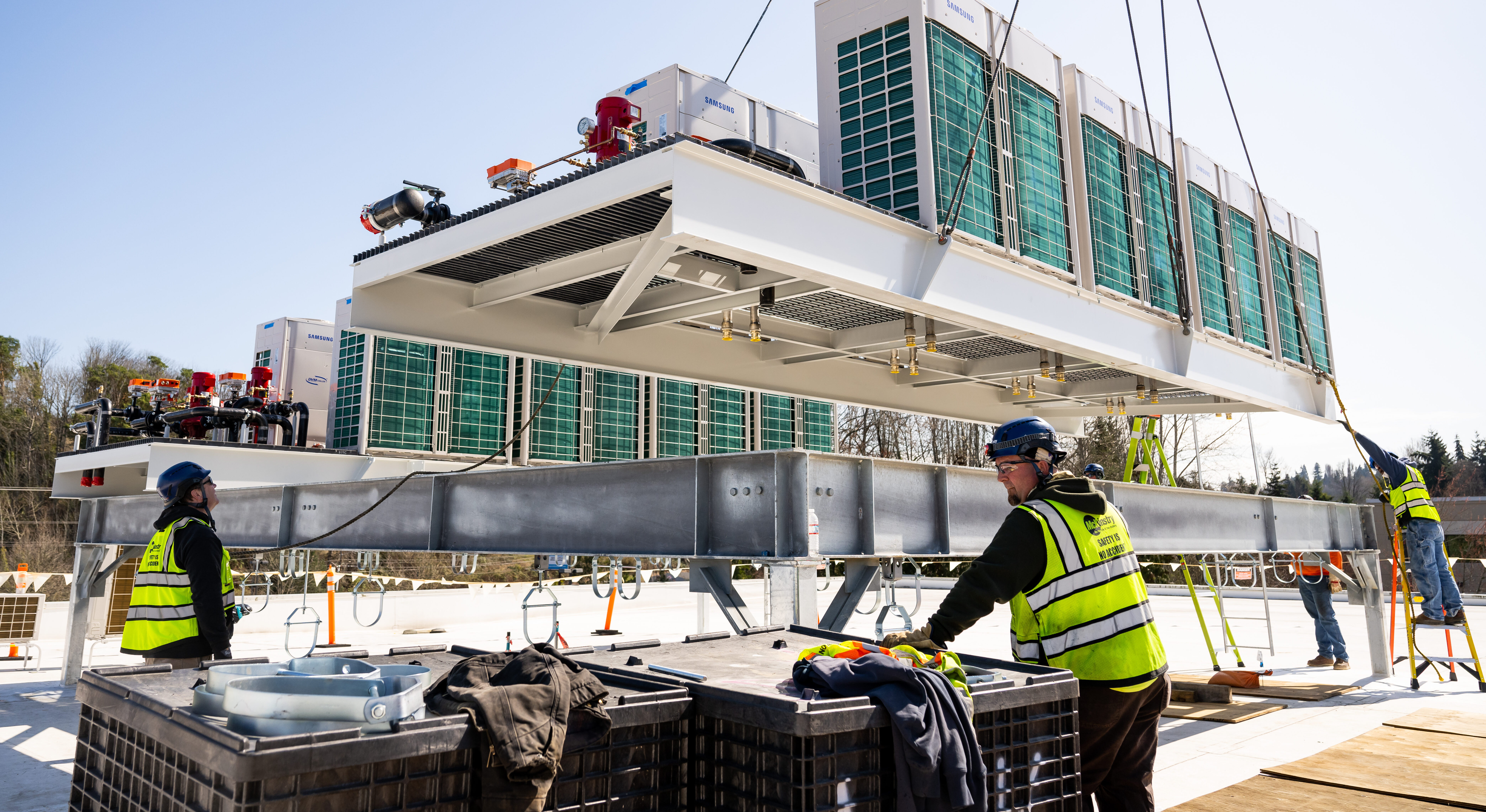
This shift brings new complexities. Liquid cooling introduces different risk profiles, controls requirements, materials considerations and maintenance models. At the same time, it opens opportunities for modularization, standardization and offsite fabrication, enabling higher-quality repeatable cooling assemblies that can compress deployment schedules and reduce on-site labor needs.
More broadly, cooling can no longer be treated as an isolated engineering discipline. It must be fully integrated with workload planning, chip architectures, power availability and facility design from day one. Future-ready infrastructure will view compute, power and cooling as a single interdependent system.
The industry faces a cooling transformation as significant as the rise of virtualized compute nearly two decades ago and leaders will need to innovate at the intersection of thermodynamics, manufacturing and energy strategy.
4. Speed to Deploy Has Become a Competitive Imperative
The pace of AI adoption is redefining market expectations. This urgency is creating pressure across supply chains, engineering cycles and construction practices and driving a profound shift toward modularity, repeatability and offsite manufacturing.
Modular power systems, standardized cooling assemblies, prefabricated electrical rooms and factory-built energy assets are gaining traction as operators seek to bypass permitting delays, reduce field complexity and scale with predictability. These approaches also help mitigate workforce shortages as specialized labor can be concentrated in controlled manufacturing environments rather than dispersed across job sites.
Speed is now a strategic differentiator. In a landscape where demand is outpacing infrastructure, the organizations that can mobilize capacity the fastest will capture the most value. This is reshaping procurement strategies, partnership models and the very definition of risk. The bias is shifting from bespoke systems toward solutions that are modular, flexible and repeatable.
The industry is entering an era where the ability to scale quickly is just as important as the ability to scale efficiently.
A New Infrastructure Paradigm Is Taking Shape
Power constraints, rise of storage, cooling evolution and the need for speed have moved from isolated trends to deeply interconnected. Together, they signal an industry pivoting from traditional facility thinking to a more integrated energy-centric model of digital infrastructure.
This moment offers both challenge and opportunity. The future data center will not be defined by square footage or megawatts alone but by agility and intelligence of the systems that support it.
The next era of digital infrastructure has begun and it will be shaped by those willing to rethink what is possible when compute and energy converge.
Explore other Insights
From Concept to Commissioning: Why Modular Productization…
Rapid growth in data consumption, and the compute infrastructure required to support it, has pushed project delivery …

AI’s Shadow Footprint: What Smart Infrastructure Needs to…
Every advancement in artificial intelligence carries a physical consequence: more computation, more heat and more pow…
Designing for an Energy-Constrained Future: Four Forces R…
The world’s demand for artificial intelligence is accelerating faster than any other technological cycle in modern hi…

