
- All Posts
- Industrial Heat, Meet Digital Demand: Bridging Thermal Infrastructure and AI-Powered Facilities
Industrial Heat, Meet Digital Demand: Bridging Thermal Infrastructure and AI-Powered Facilities
AI-driven facilities are generating thermal loads at an unprecedented industrial scale. The rapid growth of high-density computing is pushing traditional cooling approaches and on-site construction to their limits. Liquid cooling is replacing air-based systems in server racks, yet the heat produced now rivals that of industrial plants. Every watt consumed by IT equipment becomes heat and efficiency gains are realized not within the servers themselves but in how power is delivered and cooling is managed. Without strategic planning, data centers risk wasting this energy, straining the grid and missing the opportunity to transform their thermal output into a valuable resource.
Rather than being discarded, excess heat can be treated as a community and industrial asset. It can warm surrounding buildings through district energy loops, preheat industrial processes, or even generate cooling through absorption systems. When harnessed effectively, this thermal energy reduces costs, alleviates grid pressure and supports cities in meeting ambitious sustainability and decarbonization goals. By approaching heat as a resource, data centers shift from being isolated energy consumers to active participants in a broader energy ecosystem.
Technology is rapidly enabling this transformation. Advanced liquid cooling handles unprecedented heat densities, while heat pumps and AI-driven thermal controls allow precise management and integration with external infrastructure. Prefabricated, offsite-built mechanical, electrical and plumbing assemblies—including cooling modules, heat recovery units and electrical skids—streamline construction, lower embodied carbon and mitigate on-site risks. Factory-built modules also make it practical to link data centers with district or industrial energy networks without slowing deployment. McKinstry’s expertise in integrated offsite systems supports organizations in deploying these solutions efficiently, enabling early integration of thermal reuse strategies across the full lifecycle of design, build, operate and maintain.
Technical solutions alone cannot achieve the full potential of thermal reuse. Success depends on collaboration among energy providers, urban planners, building operators and data center teams. District heating systems, industrial preheating loops, combined heat and power networks and AI-driven predictive analytics are critical for optimizing energy flows, anticipating peak loads and balancing competing thermal demands. Integrating these strategies early maximizes energy recovery while building resilient, scalable systems capable of supporting the rapid growth of AI workloads.
Policy frameworks are reinforcing this shift. Europe mandates heat recovery in new data centers, while U.S. markets are advancing through incentives, sustainability mandates and utility partnerships. Recognizing that data centers are integral nodes within larger energy systems, these policies encourage facilities to contribute energy rather than simply consume it. McKinstry collaborates with stakeholders to navigate regulatory requirements and deliver integrated thermal solutions that align operational performance with sustainability objectives.
Industrial heat and AI-driven digital demand no longer need to operate in isolation. By treating heat as a resource, leveraging advanced cooling and management technologies and embedding reuse strategies into early planning and construction, data centers can evolve into engines of sustainability. Thoughtful design, offsite integration and strategic planning not only optimize operational efficiency but also amplify positive environmental impact. With the right combination of technology, policy alignment and expert delivery, AI facilities can become transformative contributors to resilient, sustainable communities.
Explore other Insights
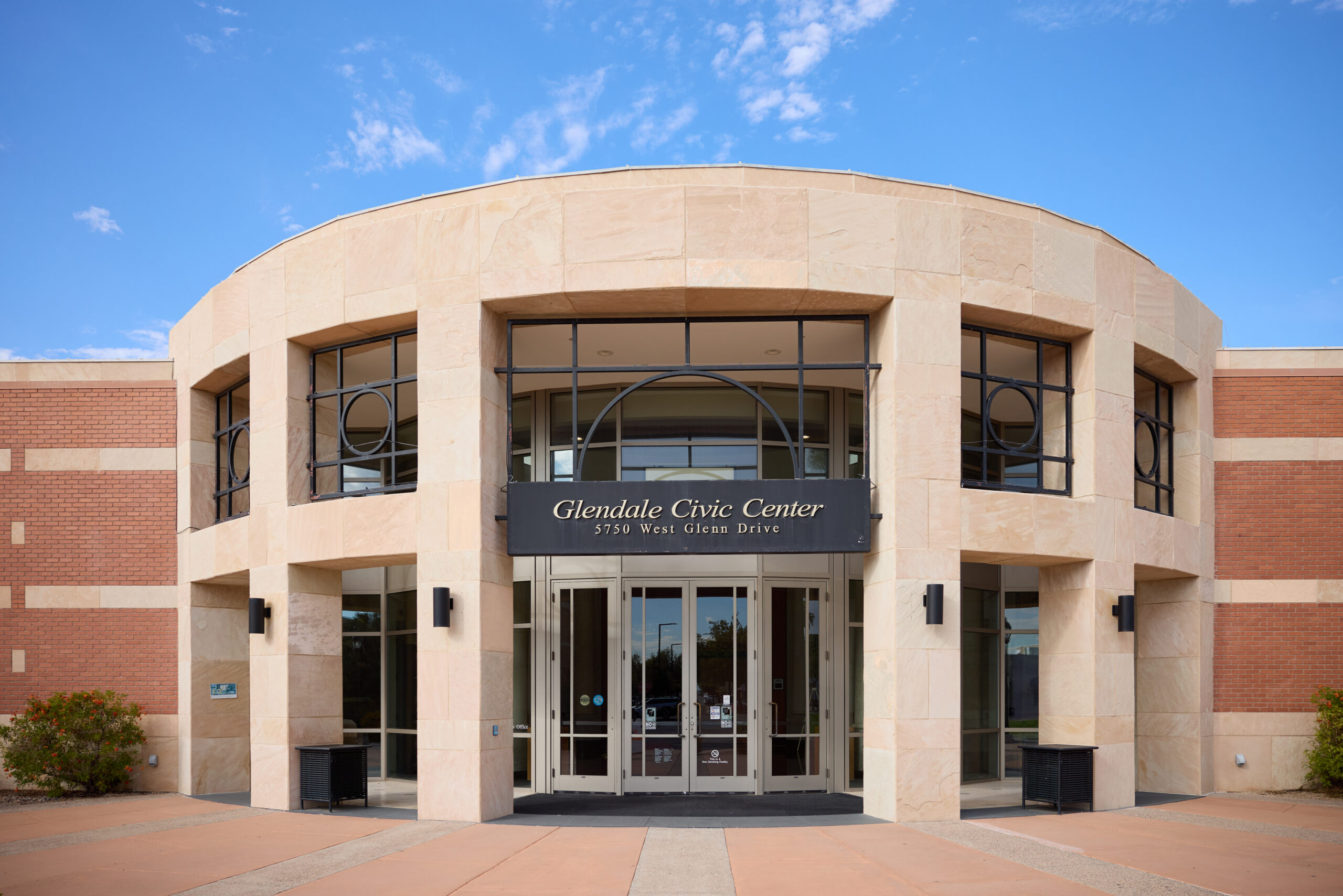
Lighting Retrofit Enhances Experience and Preserves Design at Glendale C…
The City of Glendale, Arizona completed a major lighting upgrade at its Glendale Civic Center, improving energy effic…
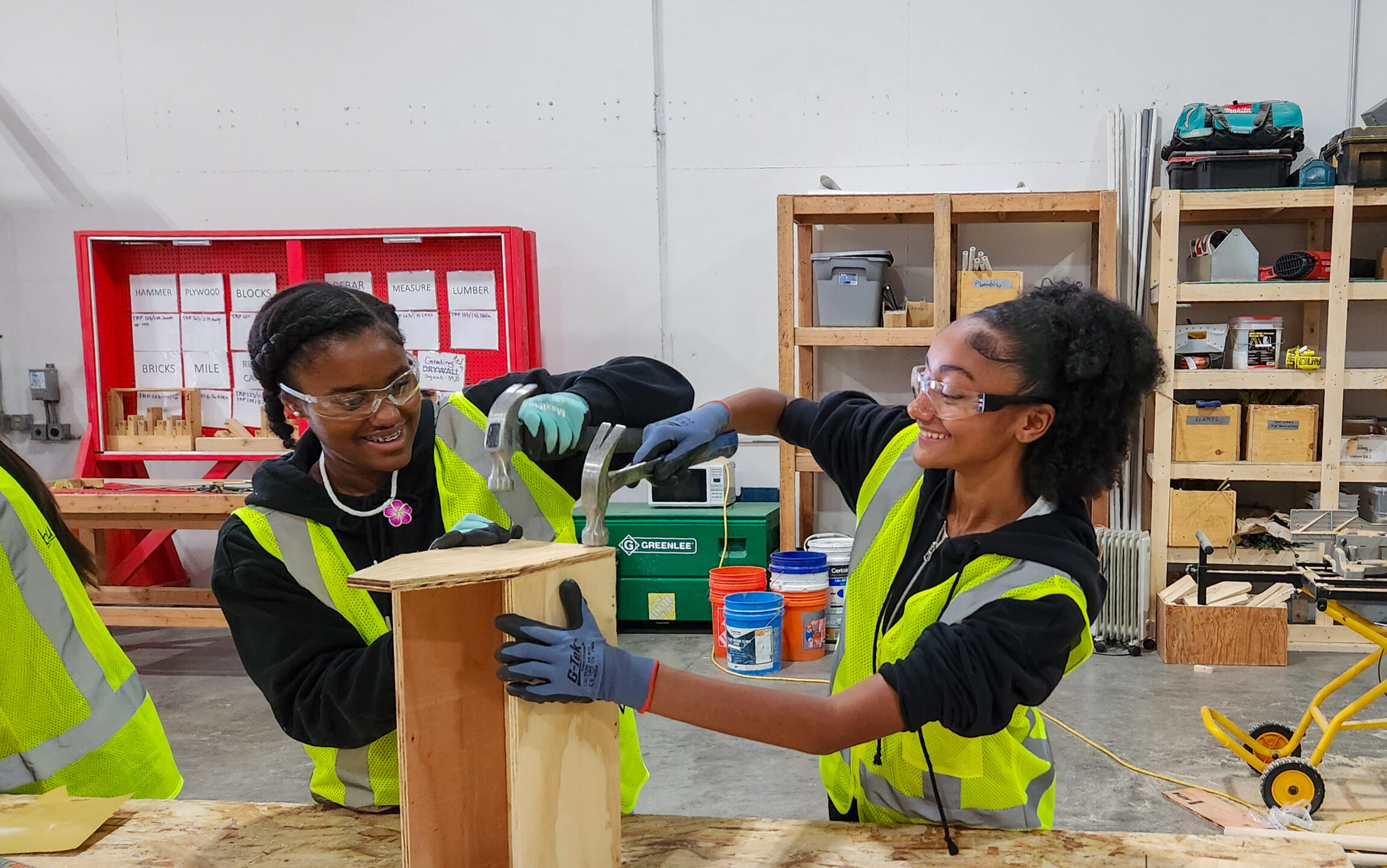
McKinstry Commits $1 Million to Inspire Women in Construction and STEM
Building Futures Initiative Supports the Next Generation of Women Entering Built Environment Careers Through Early Ex…

Connecting, Learning and Leading: McKinstry’s WIC Week Celebrations
McKinstry teams across the country came together to celebrate Women in Construction (WIC) Week, honoring the women wh…

