
McKinstry and Cumberland County Schools in Tennessee turned facility data into districtwide strategy, transforming a single-school assessment into a long-term approach to capital planning.
A Challenge Familiar Across Tennessee
Like many Tennessee school districts, Cumberland County Schools faces aging buildings, growing maintenance needs and funding pressures. With 16 facilities spanning more than 1.3 million square feet, most of them decades old, the district lacked a consistent, districtwide picture of building conditions and investment needs.
“This work gave us the ability to stop guessing and start planning with confidence,” said Dr. Rebecca Farley, superintendent of Cumberland County Schools.
What the Pilot Revealed
In 2024, McKinstry completed a detailed facility condition assessment of Pleasant Hill Elementary, a pilot designed to test both the methodology and the value of the data it could produce. The findings revealed aging systems, deferred maintenance and an opportunity to plan proactively across the district.
Seeing the immense value of the assessment data and report, Cumberland County Schools expanded the effort districtwide.
Scaling the Assessment
Working alongside district leadership, McKinstry assessed all 16 schools, evaluating building systems, documenting thousands of assets and establishing a consistent scoring framework across every facility. For the first time, the district had a clear view of building conditions across its entire portfolio.
The assessment confirmed aging facilities and systems nearing the end of their useful life, providing the data needed to prioritize investments.
“Having clear, objective data across every facility changed how we see our priorities and how confidently we can plan for the future,” said Kim Bray, chief operations officer at Cumberland County Schools.
From Data to Action
In 2026, McKinstry and the district translated those findings into an actionable facilities plan. Rather than producing a one-time report, the partnership focused on improving maintenance practices while prioritizing long-term infrastructure investments.
The plan emphasized better asset tracking, improved maintenance workflows and upgrades to the systems that carry the greatest risk. Utility incentives offset a portion of recommended project costs, allowing operational savings can be reinvested into students and classrooms.
“The value of this work is that it starts with a real data foundation,” said Dillon Fontaine, account executive at McKinstry. “The assessment gave both teams the clarity to focus investments on what will most improve performance for students and staff.”
Looking Ahead and Beyond Facilities
With implementation underway, the district and McKinstry are translating assessment findings into targeted improvements and long-term capital priorities.
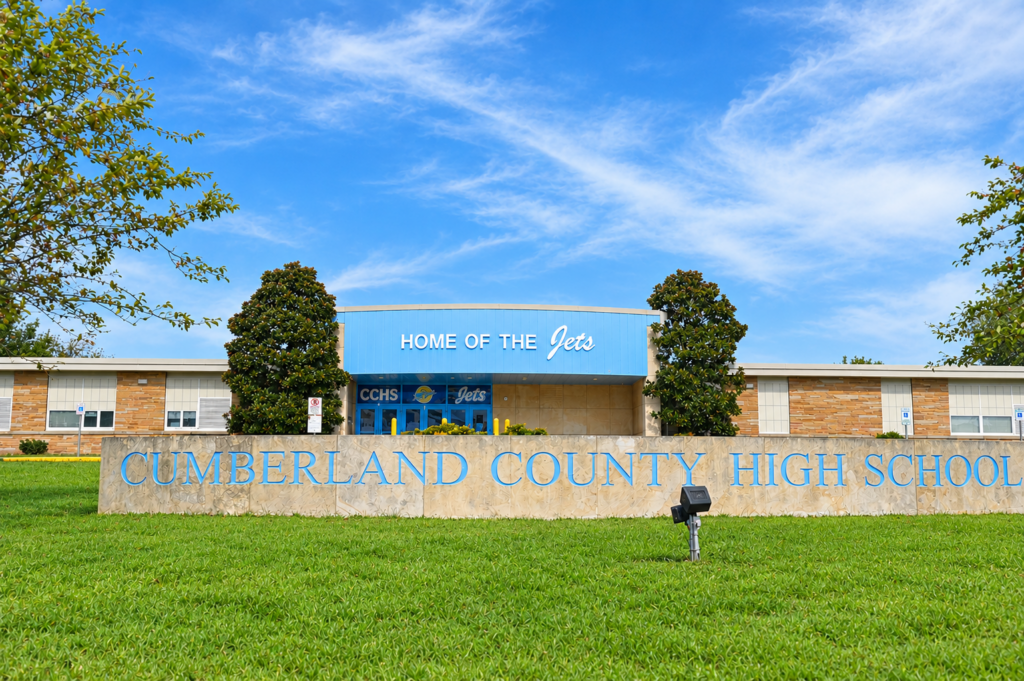
Beyond facilities, McKinstry team members joined Cumberland County High School’s Gear Up program to introduce students to skilled trades careers and supported a Building Good community engagement event (photos below).
For a district navigating the constraints many schools face, the work in Cumberland County offers a model for what strategic, data-driven facilities stewardship can look like.
Explore Other Projects

From Pilot to Districtwide Strategy: Cumberland County Sc…
McKinstry and Cumberland County Schools in Tennessee turned facility data into districtwide strategy, transforming a …
Adams State University Brings First Darcy Geothermal Syst…
Innovative technology reduces land use and cost, expanding access to geothermal energy for communities across Colorad…

Built on Trust: The Safety Culture Behind the Lumen Field…
More than 44,000 hours of work. Zero recorded safety incidents. That outcome didn’t happen by chance. It was the r…

